









Fancy Color Lab-Grown Diamonds
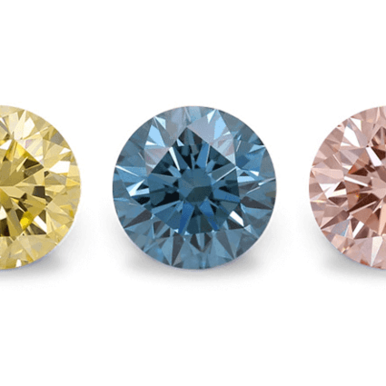
Colored lab-grown diamonds are grown by HPHT and CVD methods in fancy colors instead of white. The color can be as-grown or added by treatment after growth, so it depends on the individual stone. Labrilliante stocks yellow, pink, blue and green for jewelry retailers, brands and designers.
Open a B2B account to see the full stone database and registered-account pricing.
By Alex Klimchenko, Sales Expert · Updated November 13, 2026
Colors we stock
Yellow, pink, blue and green are in stock. Black, brown, purple, red and orange have catalog pages; check availability before you quote.
| Color | Color page | Availability |
|---|---|---|
| Yellow | Yellow lab-grown diamonds | In stock |
| Pink | Pink lab-grown diamonds | In stock |
| Blue | Blue lab-grown diamonds | In stock |
| Green | Green lab-grown diamonds | In stock |
| Black | Black lab-grown diamonds | See availability |
| Brown | Brown lab-grown diamonds | See availability |
| Purple | Purple lab-grown diamonds | See availability |
| Red | Red lab-grown diamonds | See availability |
| Orange | Orange lab-grown diamonds | See availability |
What colors do lab-grown diamonds come in?
Labrilliante has lab-grown diamonds in stock in four fancy colors: yellow, pink, blue and green. Black, brown, purple, red and orange have catalog pages, but their availability isn't confirmed, so check before you quote. Registered accounts get access to the full stone database; if the color, shape or size you need isn't listed, send a Diamond request. That helps when a customer asks for a blue stone and you need to quote from stock you can see.
Related reading: Chameleon Diamonds: Complete Guide; Lab Grown Olive Diamonds: Savings Guide
How lab-grown diamonds get their color
Lab-created colored diamonds in our inventory are grown by HPHT and CVD methods, the same as the rest of our stock. Color can come from the growth itself or from a treatment applied afterward. GIA research links these colors in HPHT-grown stones to these causes:
| Color | What causes it |
|---|---|
| Yellow | Isolated nitrogen in the crystal |
| Blue | Boron |
| Green | Doping with high amounts of nickel |
| Pink | Post-growth irradiation and annealing, in at least some stones |
Source: GIA (Gems & Gemology, Summer 2024; GIA Lab Notes, Summer 2020).
GIA also describes HPHT processing as a way to change a lab-grown stone's color, including to pink, blue, green or yellow (GIA). GIA's standard Laboratory-Grown Diamond Report states the growth method and any post-growth treatment. Its lower-cost Dossier version, which GIA describes for D-to-Z stones, leaves both out (GIA). Treatment is a fair question to ask about any colored stone. The answer depends on the stone, so ask us about that specific one and get the answer in writing before it is set.
How fancy colors are graded
Fancy colors are graded on a different scale from white diamonds, so a white stone's color grade and a fancy stone's color description don't compare directly. GIA treats fancy color as any color outside the D-to-Z range (GIA 4Cs: diamond color). Its D-to-Z scale rests on how little color a stone shows, while fancy grading rests on how much it shows (GIA FAQ). GIA describes fancy color with three attributes: hue (the color itself), tone (how light or dark) and saturation (how strong). A grader selects one of 27 hues, and tone and saturation are expressed together in a grade term (GIA colored diamond grading). GIA's terms are Faint, Very Light, Light, Fancy Light, Fancy, Fancy Intense, Fancy Vivid, Fancy Dark and Fancy Deep (GIA colored diamonds guide). Our guide on how fancy colors are graded covers the scale in more detail. When you're choosing between two pink stones of similar weight, compare their color descriptions where the stones have reports, then look at the stones themselves.
Reports for colored diamonds
Reports for colored lab-grown diamonds depend on the individual stone. IGI- and GIA-certified lab-grown diamonds are available at Labrilliante, and we carry both certified and non-certified stones in stock. Colored melee isn't certified stone by stone; melee reports are available on request. If your client needs paperwork for a pink or blue stone, say so in your request and we will tell you which report that stone has before the sale.
Colored melee and pairs
Colored melee and matched pairs each have their own page. If you're setting halos, pavé or colored bands, start with colored melee for accent work and confirm the colors and sizes you need with us before you quote. Matched pairs for earrings are listed separately; ask us whether a colored pair is available.
How to buy colored lab-grown diamonds for your store
Register for a business account at b2b.labrilliante.com and review our terms and conditions before you order. If the color, shape or size you need isn't listed, use the Diamond request form on this page and describe the stone. For more on wholesale accounts, see buying colored stones for a store.
Labrilliante is a US-based manufacturer and wholesale supplier of lab-grown diamonds (HPHT & CVD), serving jewelry retailers and brands since 2017. IGI- and GIA-certified diamonds available, plus calibrated melee (reports on request), colored diamonds and custom cuts; 100,000+ loose diamonds in stock.
Get Access to Our Lab Diamond Database
Find Out About Prices and Availability Information
Submit a request using the contact form below to inquire about the availability and prices of the lab-grown diamonds you are interested in.
Some of Our Colored Lab-Grown Diamonds


Colored lab-grown diamonds FAQ
Labrilliante has colored lab-grown diamonds in stock in yellow, pink, blue and green. We also keep catalog pages for black, brown, purple, red and orange; check availability on those pages before you quote a client. Registered B2B accounts search the full stone database, and you can send a Diamond request for a color you don't see listed.
Colored lab-grown diamonds are grown by HPHT and CVD methods. Per GIA, HPHT-grown stones can get yellow from isolated nitrogen and blue from boron, and GIA has documented a pink stone colored by irradiation and annealing after growth. Color can be as-grown or treated after growth, and it varies by stone.
Some are. GIA says HPHT processing can change a lab-grown diamond's color, and its standard Laboratory-Grown Diamond Report states any post-growth treatment. Whether a particular stone has been treated depends on that stone, so confirm it with us before you answer a client.
No. GIA grades white diamonds by how little color they show (D to Z) and fancy colors by how much color they show, so the two scales don't compare directly. For the hue, tone and saturation scale and the full list of grade terms, see how fancy colors are graded above.
It depends on the stone. IGI- and GIA-certified lab-grown diamonds are available at Labrilliante, and we carry both certified and non-certified stones in stock. If your client needs a report for a colored stone, say so in your request and we will confirm it before you order.
Colored melee is listed on its own page, aimed at accent work such as halos, pavé and colored bands. Confirm colors and availability with us before you quote. Melee isn't certified stone by stone; reports are available on request. Search the stone database in a registered account, or send a Diamond request with the color, size and quantity you need.