




Discover News From LaBrilliante Blog
The Lab-Grown Diamond Market Is Headed Toward $92 Billion
The Lab-Grown Diamond Market Is Headed Toward $92 Billion — Here's Exactly Where the Growth Is Hiding
South Africa's Rough Diamond Supply Is Shrinking
South Africa's Rough Diamond Supply Is Shrinking — And It's Making the Case for Lab-Grown Even Stronger
A Diamond Just Went to Space
A Diamond Just Went to Space — And Came Back With the Best Sales Pitch the Category Has Ever Had
Swarovski's CEO Just Described Your Next Bridal Customer
Swarovski CEO Alexis Nasard told the Financial Times lab-grown diamonds are increasingly letting women buy diamonds for themselves
New 10–12.5% Tariffs Hit Lab-Grown Diamond Sourcing
Lab-grown diamonds missed the tariff exemption natural stones got. Here's what it means for your sourcing costs.
Lab-Grown Diamonds Are Becoming a Must-Stock Category
Discover why lab-grown diamonds are becoming a must-stock category for jewelers, driven by everyday jewelry, fashion demand, and retail expansion.
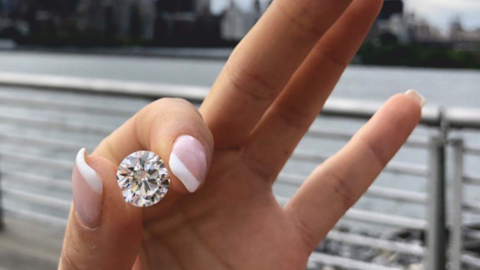
Lab-Grown Diamonds Just Took Over Bridal — And the Story Doesn't Stop There
Lab-grown diamonds now lead bridal jewelry, offering bigger certified stones, better value, and growing use beyond engagement rings in advanced technology.
dutch-marquise-engagement-rings-guide
Skip cookie-cutter rings. Dutch marquise cuts represent <0.3% of diamonds with 18th-century elegance. Lab-grown luxury from $1,000-$3,000. Discover your rare love story.
Lab-Grown Diamond Industry Shows Strong Momentum in December 2025
Discover the latest lab-grown diamond industry insights for December 2025. Market reaches $30B with 50%+ engagement ring adoption. Key trends for jewelry retailers and professionals.
Why Lab Diamonds Are Called Eco Friendly
Confused about lab diamond sustainability? Discover how they eliminate 99% of environmental impact with zero mining disruption and 86% less water use.