



Unusual uses of lab-grown diamonds
Lab-grown diamonds work in decoration wherever a small, bright stone can sit on an object that is not a ring: nails, bridal shoes, costumes, picture frames, phone cases. This guide is for designers, workshops and accessory brands that want to work with lab-grown diamonds, and for readers curious about what else a diamond can do. It covers what makes a stone suitable for decor, seven possible uses, safety rules and where to source melee for production.
What makes a lab-grown diamond suitable for decoration
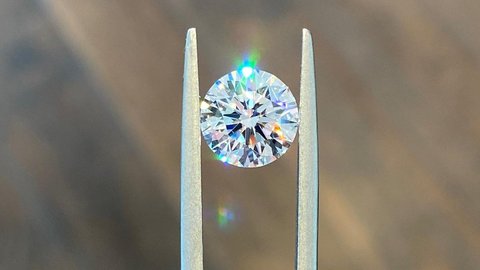
A decorative stone has to be small enough to sit on a surface, visible from a few steps away, and consistent enough that fifty of them look like a set. Melee, the small lab-grown diamonds, fit that brief. Labrilliante keeps them in stock alongside matched pairs, rare cuts and diamond plates.
Size and weight. Size decides how much surface a stone needs and how the piece reads at arm's length. Sizes and weights are listed on the melee lab-grown diamonds page. Check the exact range before you design around a stone.
Attachment. Jewelry holds stones with prongs, bezels and channels. Decor often relies on adhesive, stitching into a setting or a small metal mount. Whichever you pick, test it on a sample piece before you decorate a full batch.
Durability. Decorative objects get handled, washed, bent and dropped. The adhesive, thread or mount may give way first, so test the whole assembly.
Certification. IGI- and GIA-certified lab-grown diamonds are available from Labrilliante, and the stock includes certified and non-certified stones. Melee are not certified stone by stone; reports are available on request. For decor, what matters is a set matched for color and size, so ask for a matched set before you order.
Color. Labrilliante stocks colored lab-grown diamonds in yellow, pink, blue and green. In decor, color can echo a bridal palette or a stage costume. The colored lab-grown diamonds range shows what is available.
Safety. A diamond on a decorative piece is a small hard object. If the piece goes near children, food or pets, how the stone is held becomes the first design question. The safety section below covers it.
Where lab-grown diamonds are used
Seven uses are covered below. They differ in how the piece is handled, and that decides which questions matter.
Beauty: nail art, packaging and hair accessories
A stone can go on a single nail of a finished manicure, or form a small cluster on an accent finger. Stones can also be set into packaging, compacts, caps, hair clips and combs.
On skin, nails and hair the main question is how the adhesive behaves. A round shape is a common starting point, and the stone's color should be checked against the base before anything is fixed.
For packaging, think about shipping. A stone that loosens in transit means a return.
Weddings: bridal accessories, footwear and veils
Bridal accessories are one of the most familiar decorative uses. Stones can be added to hair combs, belts, garters, shoe buckles, veil edges and bouquet wraps. One clear stone on a shoe buckle reads as a quiet detail. A band of small stones along a veil comb can catch light each time the bride turns her head.
Two kinds of stock matter here:
- Melee for borders and scatter patterns.
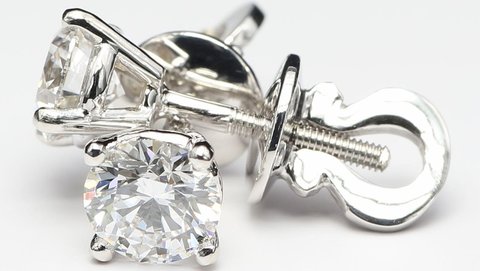
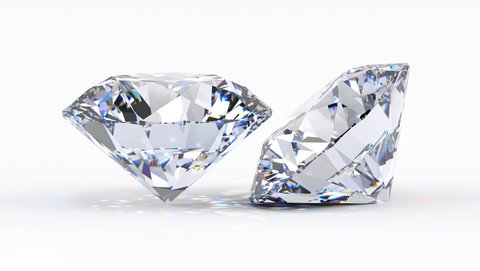
- Matched pairs for earrings and paired shoe clips, where symmetry shows. Matched pairs are in stock.
A bride who wants a color accent can look at yellow, pink, blue or green stones.
The risk is on the fabric side. Tulle and silk are light, and a stone adds weight in one spot. Build a fitting that includes walking and sitting, since a piece that looks right on a mannequin can shift on a person.
For jewelry that sits alongside bridal accessories, see our lab-grown diamond jewelry.
Home decor
Picture frames, mirror edges, candle holders, decorative boxes, cushion tassels and lamp bases can all suit a stone. Nobody wears these objects, so weight and comfort count for little. Distance counts for more: from across a room, a single small stone barely registers. Grouping stones into a cluster or a line is a common answer, and colored stones can pick up an accent color already in the room.
Then there is the room itself. Is the object near a radiator, in a steamy bathroom, or wiped down with household cleaner? Keep decorated pieces out of reach of small children and pets.
Pets
Pet accessories call for the most caution of the seven. Stones can be added to collars, leashes and name tags, and owners may decorate harnesses for photos or events. The concern is a loose stone.
Use secure mounts only. We do not recommend gluing loose stones onto anything an animal can chew.
Inspect the item before each use. If a stone moves, take the item off the animal. Keep decorated accessories for supervised occasions, not all-day wear.
Dance and stage costumes
Costumes take the hardest treatment on this list. A dancer bends, spins and sweats in a bodice, and the garment may need cleaning between shows. Stones can be placed on bodices, headpieces, sleeves, belts and shoes, so the question is how each area moves and how often it is washed.
Three practical points decide whether a design survives a season: whether to sew or glue, which is a question for your costume maker; whether the method withstands washing; and whether each stone can be replaced before the next performance without redoing the garment.
Small, light melee suit areas that move. Matched pairs fit symmetric elements such as sleeves or shoe clips.
Crafts and DIY
Lab-grown diamonds can be used in framed art, greeting cards for special occasions, scrapbooks, ornaments, bookmarks and mixed-media pieces. In craft work the stone is usually the focal point, so one well-placed stone can do more than a handful of small ones.
In our view, round is the simplest shape to start with. Pear, marquise and heart shapes are in the Labrilliante stock and can serve as a central accent.
Paper, wood and fabric each hold a stone differently. If the piece is a keepsake that will be handled for years, ask the maker or a jeweler about a proper mount.
Phone and office accessories
Phone cases, pen holders, desk organizers, key rings and laptop covers can take a stone or two as an accent. These objects live in pockets and bags, so they take more knocks than a picture frame. A recessed setting or a protective rim helps keep the stone from catching on fabric, and a small, low-profile stone is less likely to snag.
A case may be replaced, so decide early whether the stone is a permanent part of the case or something the owner moves to the next one. If you are building an accessory line, test a small sample on your own materials first.
Safety first
Decorative lab-grown diamonds are small hard objects. Do not use loose stones where they can be swallowed, and keep decorations secured. That rules out cakes and other food, baby products and any item meant for a child. Check decorated items regularly for stones that have loosened. If one comes off, take the item out of use and repair it before it goes back.
A designer making products for sale should also check the safety rules that apply to the product category and market.
Where to buy for production
Labrilliante is a US-based manufacturer and wholesale supplier of lab-grown diamonds (HPHT & CVD), serving jewelry retailers and brands since 2017. The stock includes 100,000+ loose diamonds, plus colored diamonds, melee (reports available on request), matched pairs and custom cuts. IGI- and GIA-certified diamonds are available; certified and non-certified stones are in stock.
For decor and accessory production, start with these lines:
- Melee lab-grown diamonds. Melee are not certified stone by stone; reports are available on request.
- Colored lab-grown diamonds in yellow, pink, blue and green.
- Matched pairs for symmetrical designs.
- Custom cuts, typically quoted at up to three weeks, plus about two weeks for delivery; timing can be longer depending on the order.
Details for trade buyers are on the wholesale lab-grown diamonds page. To get started, open a free account on the B2B portal with the button "Start - It's free." If you are not a jewelry business, contact us at info@labrilliante.com or +1 551-321-8771.
FAQ
Can lab-grown diamonds be used for decoration?
Yes. Small lab-grown diamonds, especially melee, can go on nails, bridal accessories, costumes, home objects and crafts. The questions that decide a project are size, weight and attachment. Test your attachment method on a sample before you decorate a full batch.
Are decorative stones certified?
IGI- and GIA-certified lab-grown diamonds are available from Labrilliante, and the stock includes certified and non-certified stones. Melee are not certified stone by stone; reports are available on request. If your project needs paperwork for melee, ask for melee reports when you request your order.
How are the stones attached to non-jewelry items?
It depends on the object. Jewelry uses settings such as prongs and bezels, while decor may use adhesive, stitching or small mounts. Choose the method for the material and for how the item will be used, then test it.
Is it safe to decorate food or baby products with diamonds?
No. Do not use loose stones where they can be swallowed, and keep decorations secured. That rules out cakes and other food, baby products and any item meant for a child. Check decorated items regularly and take them out of use if a stone loosens.
Where can I buy lab-grown diamonds for a decor line?
Labrilliante supplies jewelry retailers and brands with melee, colored diamonds, matched pairs and custom cuts. Create a free account on the B2B portal at b2b.labrilliante.com, or contact the team at +1 551-321-8771 or info@labrilliante.com with the stones you need.
Talk to Labrilliante about your production
If you are developing a decor or accessory line, contact the team with the stones you need. Start - It's free
- Phone: +1 551-321-8771
- Email: info@labrilliante.com
- Address: 330 Washington St, Hoboken, NJ 07030, United States
