









Decorating guitars with lab-grown diamonds: where the stones go and which ones to choose
By Alex Klimchenko · Updated November 2, 2026
Guitars can be decorated with lab-grown diamonds on the headstock, the pickguard, the body edges and on accessories such as straps, picks and cases. Round lab-grown diamond melee, matched pairs and colored lab-grown diamonds in yellow, pink, blue or green are the options to consider. Each zone suits a different shape and color, and the notes below match the two. Test a sample before you commit to a full instrument.
Where lab-grown diamonds go on a guitar
A project can start with one of the zones below. A restrained design with a few lab-grown diamonds is easier to plan and to fix than a covered surface.
Headstock
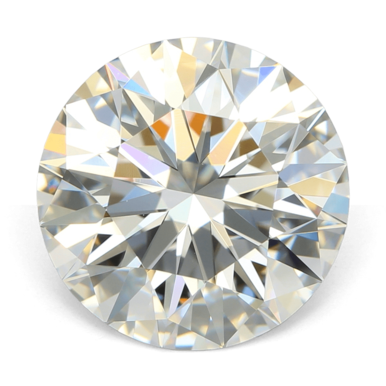
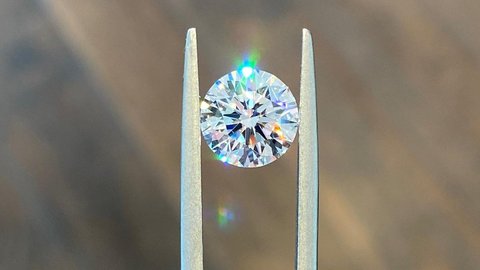
Round lab-grown diamond melee draws the cleanest lines here, because small round stones follow a logo outline or a curve without gaps. A matched pair of lab-grown diamonds can sit on either side of the logo for a symmetrical look. One yellow lab-grown diamond can mark a single point of the design, such as the dot of a letter. Pick the melee size to match the line you want to draw, and check the sizes on the melee page.
Pickguard
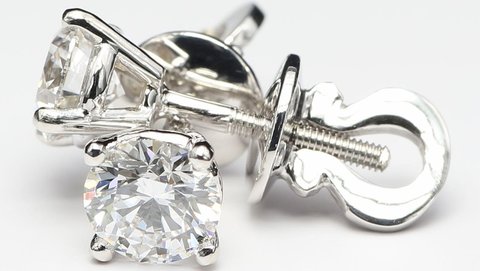
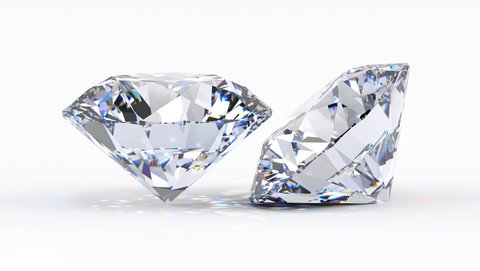
A pickguard is a flat panel, so a border of round colorless lab-grown diamond melee follows its outline well. A pink or blue lab-grown diamond can repeat a color already on the instrument. For a centerpiece, a heart, marquise or oval lab-grown diamond reads as a feature stone against a field of small round ones. A uniform set needs stones selected together, which is what matched pairs provide.
Side accents and body edges
On the binding or the body edge, a single row of round lab-grown diamond melee works as a fine line. A green lab-grown diamond at the center of the row gives a pause in the pattern. A luthier's judgment matters most in this zone, so we keep to general guidance: plan the pattern on paper, mark it on the guitar, and let a luthier confirm the plan before any stone is attached.
Straps, picks and cases
Accessories leave the instrument untouched, so they are the easiest place to begin. A short row of round lab-grown diamonds suits a strap, a cushion or oval lab-grown diamond suits a case emblem, and a matched pair suits the two ends of a strap. The choice of mounting belongs to whoever makes the item.
What Labrilliante offers for decoration work
A lab-grown diamond is a diamond grown in a laboratory, using HPHT or CVD methods. Labrilliante, a US-based manufacturer and wholesale supplier of lab-grown diamonds, has these options for decoration work.
- Small sizes. Calibrated melee is available, and melee reports are available on request. Melee is not certified stone by stone.
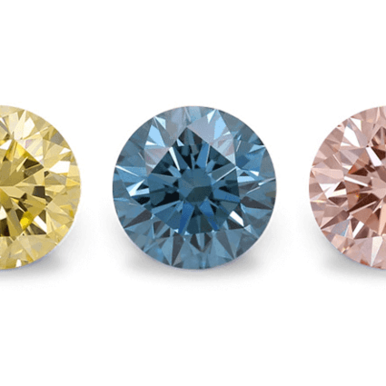
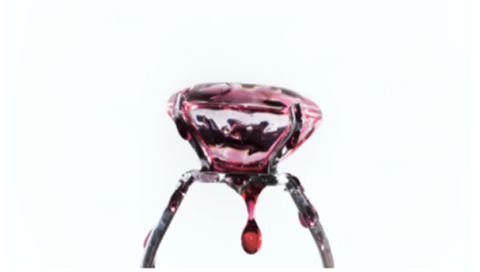
- Color. Colored lab-grown diamonds come in yellow, pink, blue and green. One colored lab-grown diamond among colorless ones gives a design a focal point.
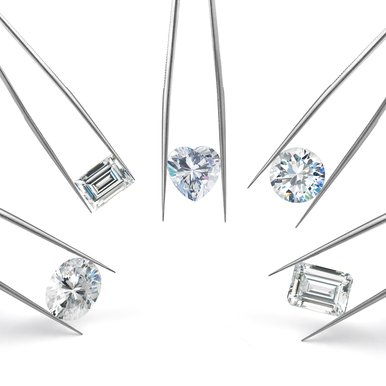
- Shapes. Round is the simple choice for outlines and borders. The stock also includes oval, pear, emerald, radiant, cushion, princess, asscher, marquise and heart lab-grown diamonds.
- Matched pairs and rare cuts. Matched pairs are in stock, which suits symmetrical designs. Rare cuts and diamond plates are in stock too.
- Custom cuts. If a design needs a shape that is not in stock, custom cuts are typically quoted at up to three weeks, plus about two weeks for delivery. Timing can be longer depending on the order.
- Reports. IGI- and GIA-certified diamonds are available, and certified and non-certified stones are in stock.
Melee sizes are listed on the melee lab-grown diamonds page.
Before you decorate an instrument
This is general advice, not a guarantee. A guitar is a specialized object, and we do not claim how any stone, setting or adhesive affects its sound, finish or condition. A luthier or the builder of your instrument can advise on those questions. Test your plan on a spare piece first, such as an old pickguard or a strap, and check it after regular use.
For luthiers, workshops and brands
Labrilliante is a US-based manufacturer and wholesale supplier of lab-grown diamonds (HPHT & CVD), serving jewelry retailers and brands since 2017. For a guitar workshop, an accessory brand or a luthier, a request is clearest when it names the shape, the color and the size: round lab-grown diamond melee for outlines, a larger shape for a focal stone, colorless or yellow, pink, blue or green for accents.
For other ideas in this series, see the diamond embellishments section of the blog. To discuss a project, contact us at info@labrilliante.com or +1 551-321-8771 with your list of shapes, colors and sizes.
FAQ
Can you decorate a guitar with lab-grown diamonds?
Yes. Lab-grown diamonds can decorate a guitar's headstock, pickguard, body edges and accessories such as straps, picks and cases. Round melee fits outlines, colored lab-grown diamonds in yellow, pink, blue or green fit accents, and a larger shape can act as a feature stone. Size and placement are best confirmed by a luthier before any stone goes on the instrument.
Which lab-grown diamonds suit guitar decoration?
Calibrated lab-grown diamond melee in round suits outlines, borders and patterns. Yellow, pink, blue and green lab-grown diamonds suit accents. Matched pairs of lab-grown diamonds give symmetry, for example one stone on each side of a logo. A heart, marquise, oval or pear lab-grown diamond works as a single feature stone, and rare cuts are in stock for unusual designs.
Are the stones certified?
IGI- and GIA-certified lab-grown diamonds are available, and both certified and non-certified stones are in stock. Melee is not certified stone by stone; melee reports are available on request. When a project needs paperwork for a larger feature stone, mention it in your inquiry to Labrilliante, and the team can say whether a report exists for the stone.
Does decorating with diamonds change how a guitar sounds?
Labrilliante makes no claims about sound. How lab-grown diamonds, settings and adhesives interact with an instrument is a question for a luthier or the builder who made it. A test on a spare piece, such as an old pickguard or strap, shows how a design looks, and a luthier can advise on the instrument itself.
Where can a workshop buy lab-grown diamonds for guitar decoration?
Workshops, luthiers and accessory brands can contact Labrilliante, a US-based manufacturer and wholesale supplier of lab-grown diamonds, at info@labrilliante.com or +1 551-321-8771. A message that lists the shapes, colors and sizes needed, such as round melee plus a matched pair for a logo, helps the team respond with the lab-grown diamonds in stock.
Contact Labrilliante
- Phone: +1 551-321-8771
- Email: info@labrilliante.com
- Address: 330 Washington St, Hoboken, NJ 07030, United States