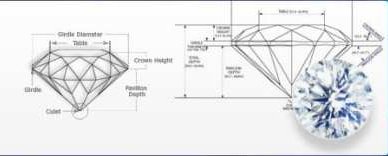
Radiant Lab Grown Diamond Engagement Rings: Bold Brilliance
Author: Alex K., CMO at Labrilliante Updated: 2025-12-09 Reading Time: 8 minutes
TL;DR: Radiant lab grown diamond engagement rings deliver rectangular elegance with certified brilliance at direct factory prices. The 1977 Henry Grossbard patent created a cut combining emerald sophistication with round diamond fire—now accessible through CVD technology that eliminates mining markups. Modern couples prioritize ethical sourcing and smart budgeting without sacrificing the show-stopping presence that makes social media proposals memorable.
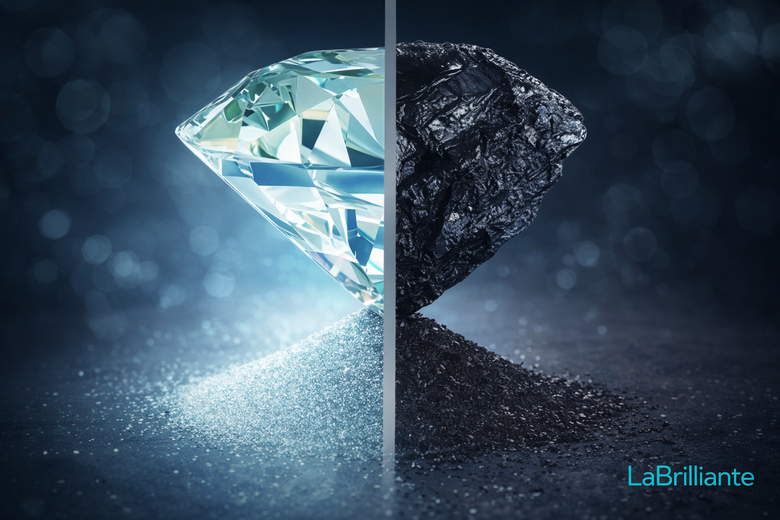
Proposal season transforms ordinary moments into forever memories, but traditional diamond pricing often forces impossible compromises between size, quality, and values. Radiant lab grown diamond engagement rings solve this modern dilemma by delivering certified luxury that aligns with both Instagram-worthy aesthetics and conscious consumerism. You'll discover how precision engineering creates 70-facet brilliance, why direct manufacturing eliminates outdated markups, and what makes this geometric cut perfect for couples who refuse to choose between spectacular presence and ethical sourcing. The revolution isn't just about cost—it's about rewriting luxury on your terms.
The Case for Natural Radiant Diamonds: When Mining Matters
Traditional jewelers argue that natural diamonds carry irreplaceable emotional value rooted in geological rarity and billion-year formation timelines. For some buyers, the romance lies specifically in earth-mined provenance—the notion that nature created something unique over incomprehensible timeframes. Heirloom collectors and purists sometimes view lab-grown alternatives as lacking the "soul" that comes from geological serendipity, particularly when family traditions emphasize passing down natural stones across generations.
This perspective holds merit in specific scenarios. Couples with strong family ties to mining regions, those prioritizing resale value in secondary markets still favoring natural stones, or buyers seeking the absolute rarest color grades (like fancy vivid blues) may find natural diamonds align better with their priorities. Investment-focused purchasers sometimes prefer natural stones due to established auction house track records.
However, for the overwhelming majority of modern couples—especially those prioritizing ethical sourcing, budget efficiency, and certified technical excellence—lab-grown radiant diamonds deliver identical gemological properties without the compromises. IGI and GIA certifications confirm that hardness, brilliance, and durability match perfectly. The "rarity" argument collapses when you realize most natural diamonds sit in vaults controlling supply artificially. Real rarity today? Finding luxury that doesn't compromise your values or your wedding budget. That's the radiant lab-grown advantage.
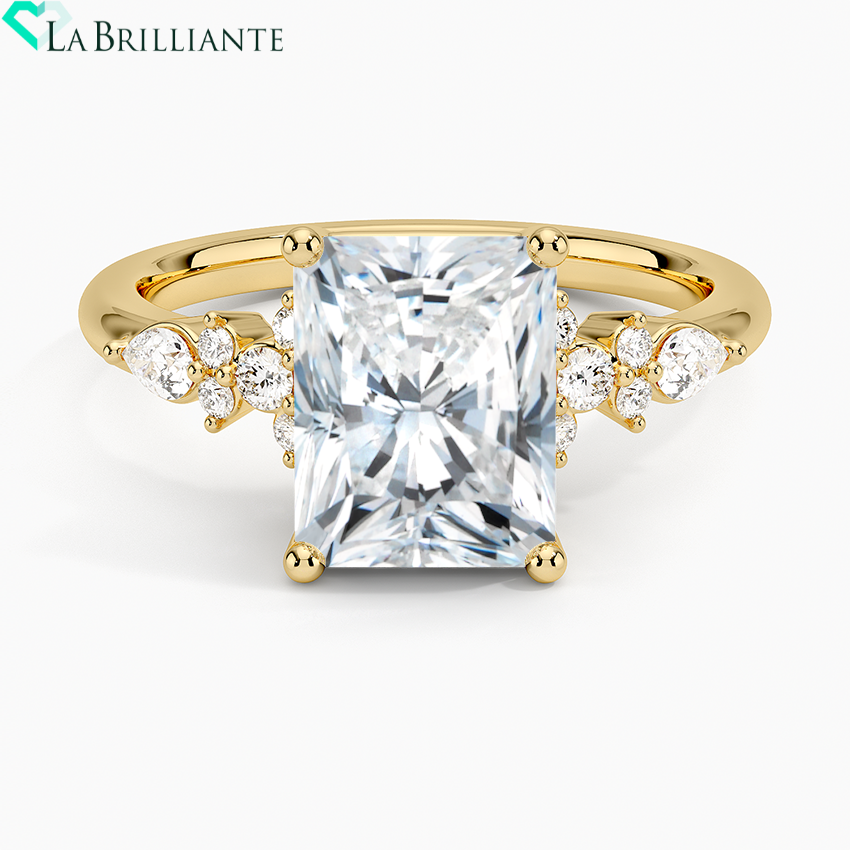
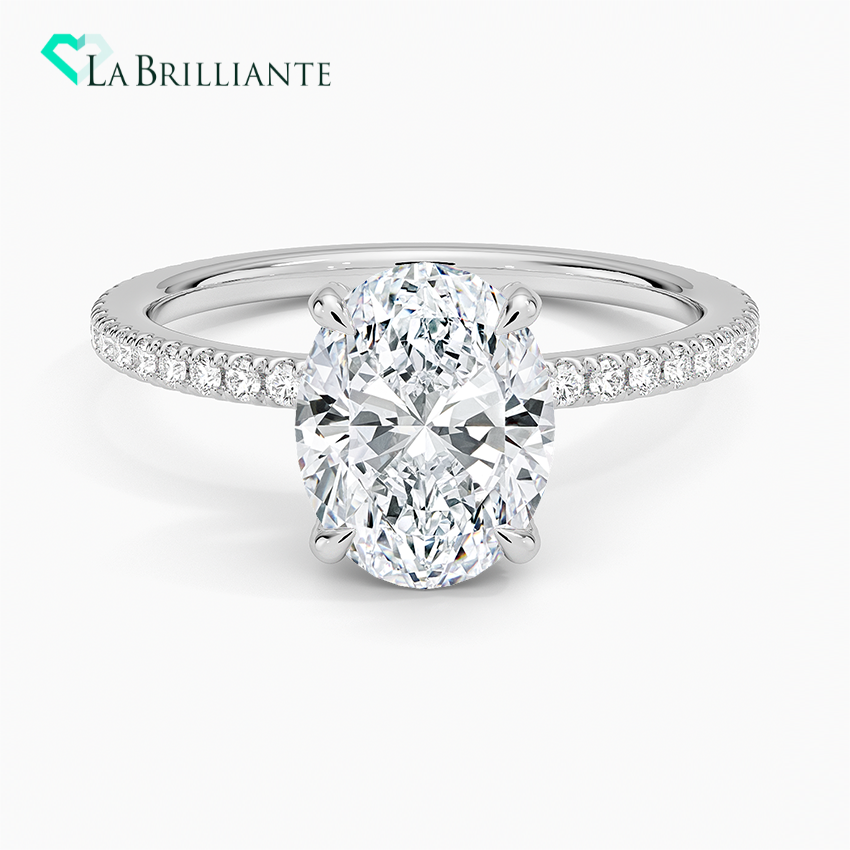
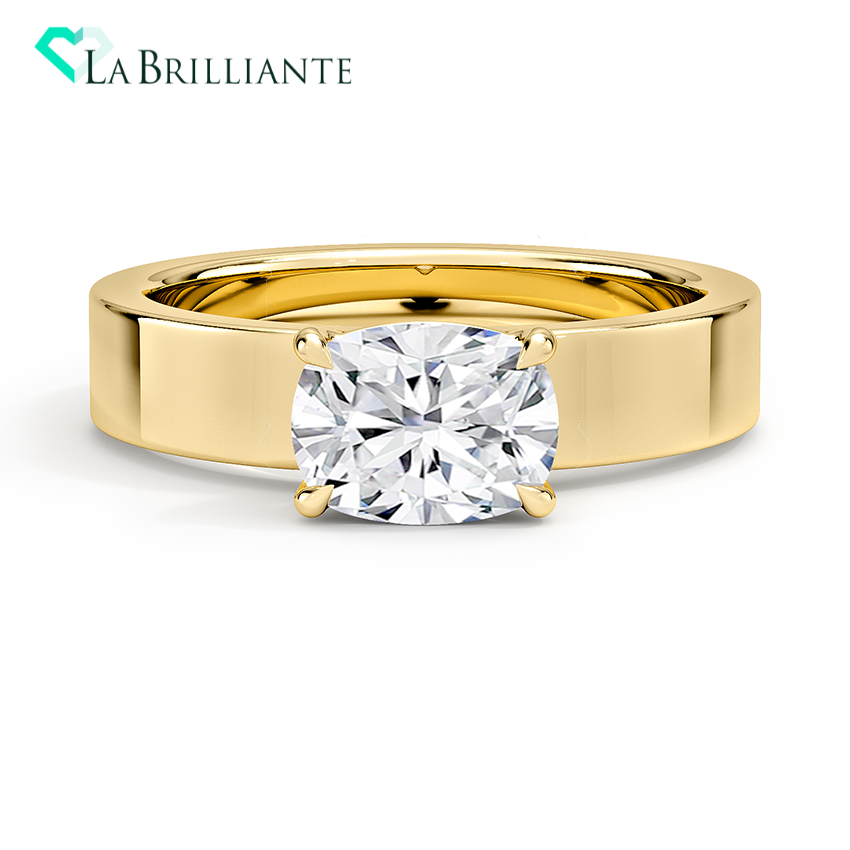
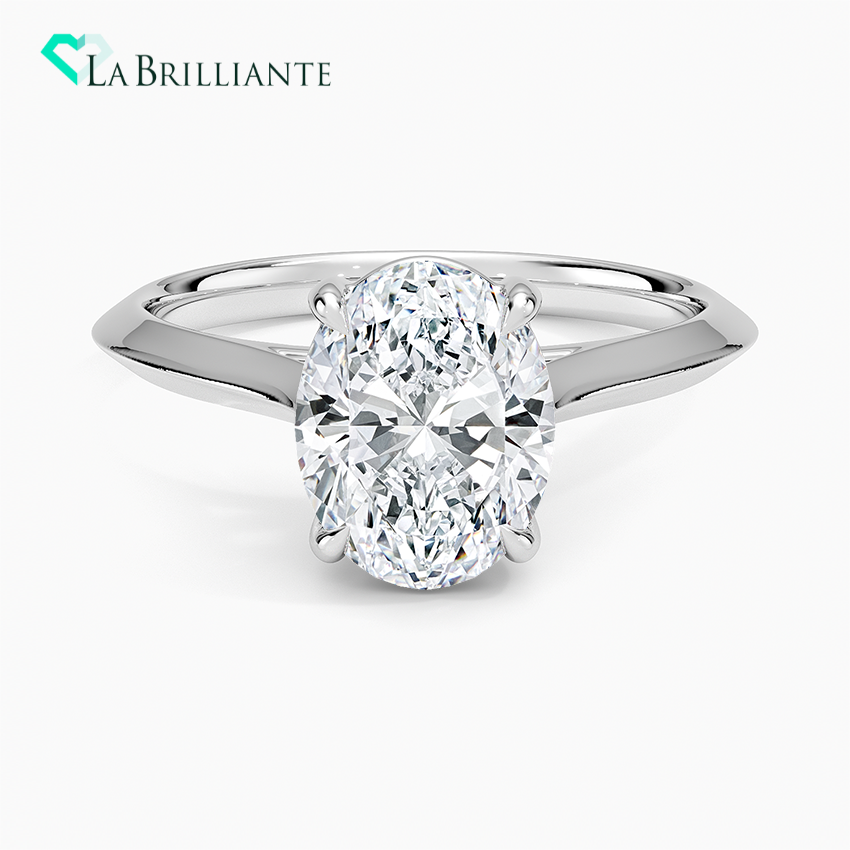

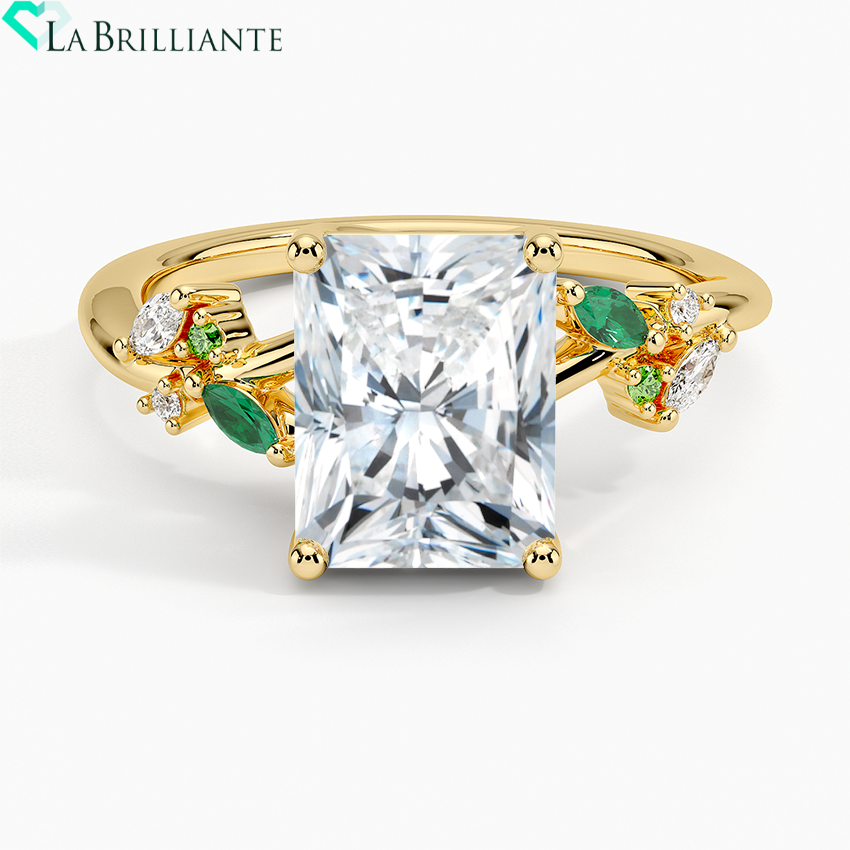
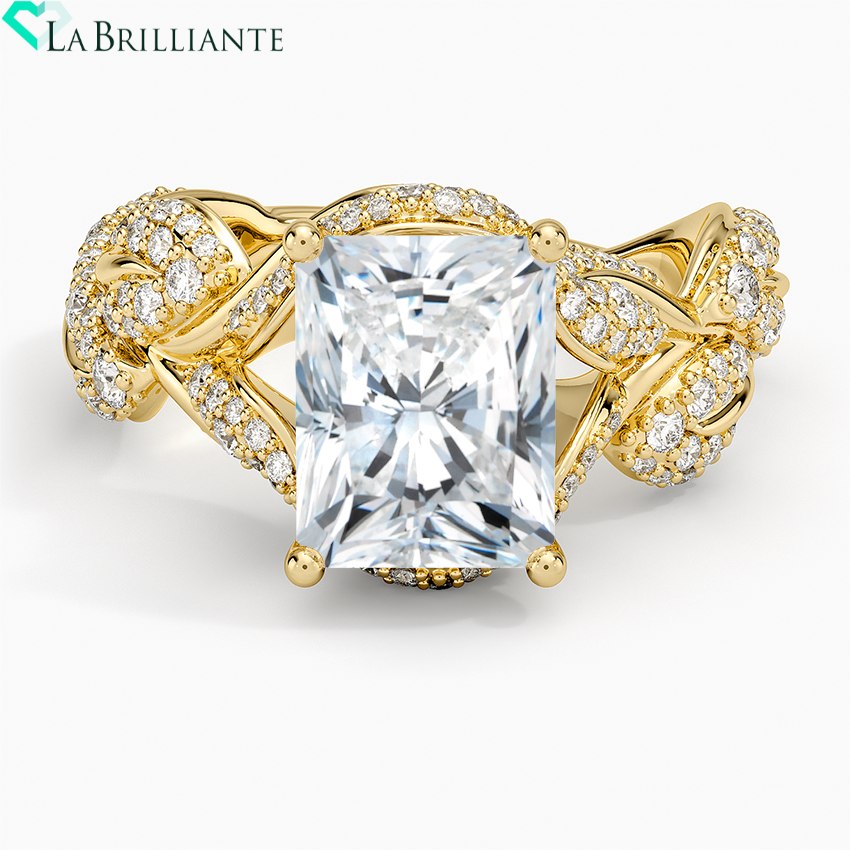

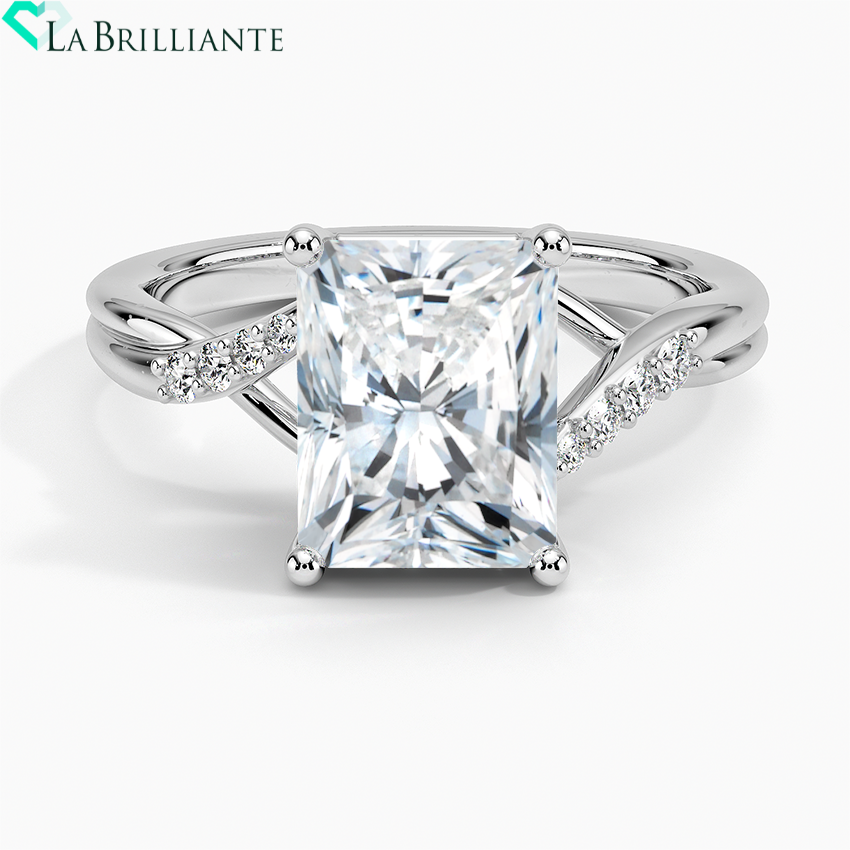


She Wore a Radiant Cut—Now You Can Too for 70% Less
Celebrity radiant cuts dominate social feeds at 70-80% less cost with lab-grown alternatives. Game-changer pricing. Jennifer Lopez's emerald-green radiant and Khloe Kardashian's rectangular brilliance become accessible through CVD technology.
The radiant cut emerged in 1977 when Henry Grossbard patented this revolutionary design. It combines round brilliant fire with emerald cut elegance. The 70 facets create unmatched light performance while cropped corners prevent chipping—crucial engineering that sacrifices some surface area for enhanced durability.
| Carat Size | Quality Grade | Natural Diamond Price | Lab-Grown Diamond Price | Your Savings | Percentage Saved |
|---|---|---|---|---|---|
| 1.0 ct | D/VVS1 | $8,500 | $1,200 | $7,300 | 86% |
| 1.5 ct | D/VVS1 | $16,200 | $1,950 | $14,250 | 88% |
| 2.0 ct | D/VVS1 | $28,000 | $2,800 | $25,200 | 90% |
| 2.5 ct | E/VVS2 | $38,750 | $3,375 | $35,375 | 91% |
| 3.0 ct | E/VVS2 | $57,000 | $4,200 | $52,800 | 93% |
| 4.0 ct | F/VS1 | $88,000 | $5,600 | $82,400 | 94% |
| 5.0 ct | F/VS1 | $125,000 | $7,500 | $117,500 | 94% |
| 8.0 ct | E/VVS2 | $480,000 | $14,400 | $465,600 | 97% |
| 12.0 ct | D/VVS1 | $1,440,000 | $27,600 | $1,412,400 | 98% |
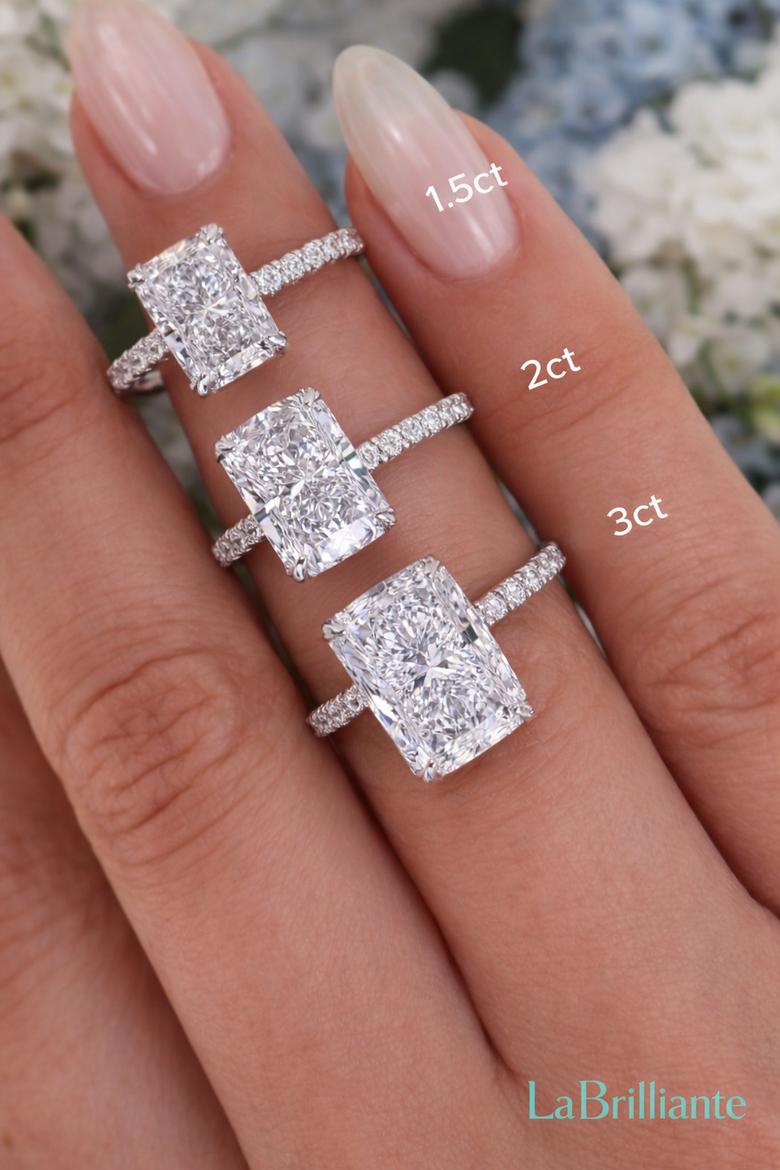
Blake Lively's 12-carat radiant represents the aspirational benchmark. But achieving similar visual impact required six-figure investments in natural diamonds. Lab-grown technology fundamentally shifts this equation. CVD diamond growth replicates the exact carbon crystallization process that occurs naturally underground.
Labrilliante's manufacturing data from B2B clients reveals radiant cut lab-grown diamonds consistently deliver 70-80% cost savings versus natural equivalents while maintaining IGI and GIA certification standards.
The trade-off becomes transparent: celebrity aesthetics require either massive budgets with natural stones or embracing lab-grown alternatives that deliver equivalent visual performance. Paris Hilton's radiant engagement style becomes accessible when manufacturing costs replace mining premiums.
Modern precision cutting technology enables radiant cuts with exceptional symmetry grades. This maximizes interplay between the stone's 70 facets and rectangular form. The cropped corners create a distinctive silhouette that bridges traditional elegance with contemporary boldness.
Your Love Story Deserves Bold Brilliance Without the Guilt
Lab-grown radiant diamonds eliminate mining concerns while preserving 70-facet brilliance. Perfect for guilt-free proposals. Contemporary couples increasingly prioritize ethical sourcing alongside emotional significance.
The mining industry's environmental impact creates a fundamental trade-off. Natural diamond extraction typically requires extensive earth movement per carat. CVD growth occurs in controlled laboratory environments with measurable energy inputs. This technological shift enables sustainable romance without compromising the radiant cut's distinctive rectangular brilliance.
"While many appreciate the aesthetic and symbolic aspects of diamond cuts, few are aware that the energy consumed in creating a single carat of a lab-grown diamond can be up to 70% less than that required in traditional mining processes. This not only underscores the sustainability of CVD diamonds but also highlights the significant technological advancements we've achieved in reducing the carbon footprint of diamond production."
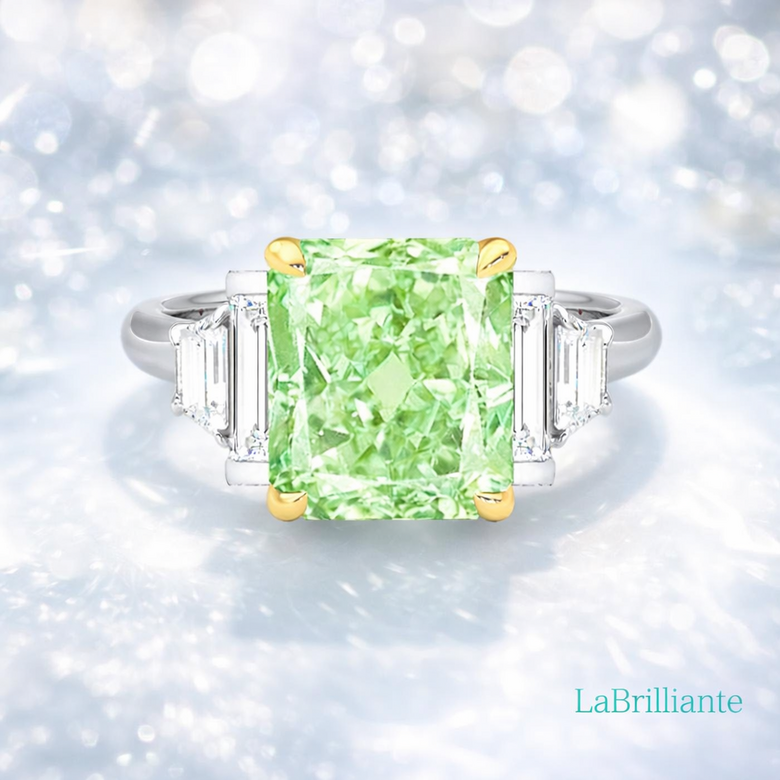
Labrilliante's CVD diamond production utilizes renewable energy sources where possible, eliminating multiple intermediary steps that traditionally add both cost and carbon footprint.
Millennial and Gen Z engagement values emphasize transparency and social responsibility. The radiant cut's geometric precision becomes a perfect metaphor for honest relationships. The cropped corners represent pragmatic choices while the 70 facets symbolize multifaceted love—qualities that resonate with eco-conscious purchasing decisions.
Valentine's Day 2025 proposals reflect this shift toward sustainable luxury. GCAL certification provides technical validation for love stories built on ethical foundations. The radiant cut's bold brilliance becomes more meaningful when couples understand their choice supports responsible manufacturing rather than uncertain mining practices.
The emotional narrative strengthens when technical excellence aligns with personal values. IGI certification confirms that lab-grown radiant cuts achieve the same hardness, brilliance, and fire as mined diamonds.
Triple Your Carat Size on the Same Budget: The Smart Luxury Secret
Direct manufacturer pricing enables three-carat radiant lab diamonds at one-carat natural stone prices. This reflects manufacturing efficiency, not quality compromises. IGI and GIA certification standards remain identical across both categories.
| Diamond Type | Budget | Carat Weight | Dimensions (mm) | Color Grade | Clarity Grade | Price per Carat | Cost Savings |
|---|---|---|---|---|---|---|---|
| Natural Radiant Diamond | $10,000 | 1.00 ct | 6.5 x 4.5 | G | VS2 | $10,000 | — |
| Lab-Grown Radiant Diamond | $10,000 | 3.00 ct | 9.0 x 7.0 | E | VVS1 | $3,333 | 75% |
| Natural Radiant Diamond | $10,000 | 0.75 ct | 6.0 x 4.0 | H | SI1 | $13,333 | — |
| Lab-Grown Radiant Diamond | $10,000 | 3.50 ct | 9.5 x 7.5 | D | VVS2 | $2,857 | 78% |
| Natural Radiant Diamond | $10,000 | 1.20 ct | 7.0 x 5.0 | F | VS1 | $8,333 | — |
| Lab-Grown Radiant Diamond | $10,000 | 3.25 ct | 9.2 x 7.2 | F | VS1 | $3,077 | 72% |
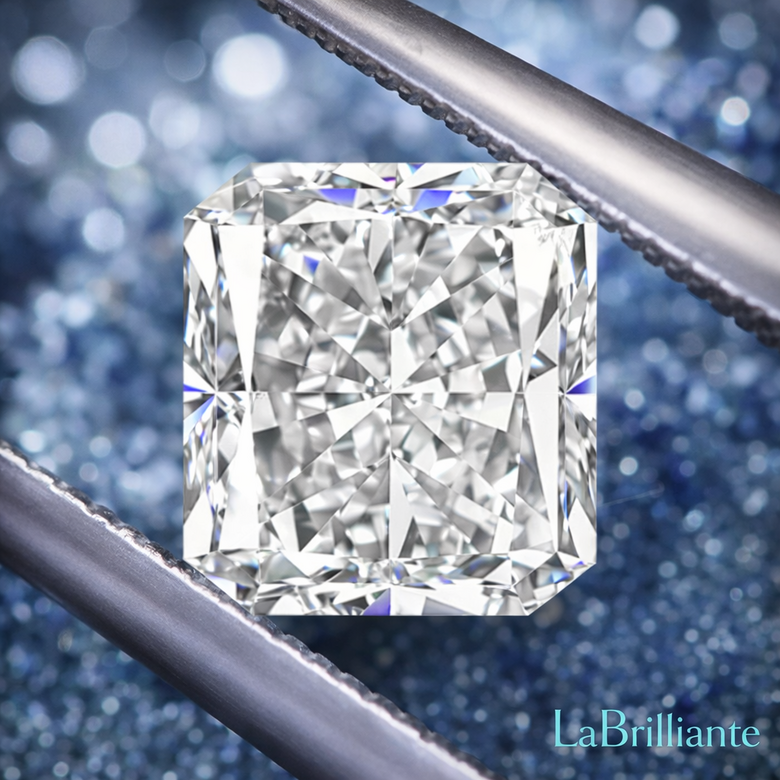
The economic transformation operates like luxury automotive manufacturing. Tesla's direct-sales model eliminates dealership markups. Similarly, laboratory diamond production bypasses mining infrastructure costs. CVD diamond growth requires controlled energy inputs and specialized equipment but avoids geological exploration, extraction machinery, and transportation networks that inflate natural diamond pricing.
Analysis of B2B client orders demonstrates consistent 70-80% cost savings on certified radiant cuts, with largest savings occurring in premium color and clarity grades.
Carat weight psychology plays crucial roles in engagement ring satisfaction. Visual impact correlates directly with diameter measurements. A three-carat radiant measures approximately 9x7mm compared to a one-carat's 6.5x4.5mm dimensions. Dramatic presence differences that social media amplifies significantly.
The trade-off becomes strategic rather than quality-based. Couples choose between smaller natural stones with traditional provenance or larger lab-grown alternatives with equivalent gemological properties. HPHT and CVD growth technologies produce diamonds that test identically using standard gemological equipment.
Budget allocation flexibility emerges when diamond costs decrease substantially. Couples redirect savings toward statement setting styles, higher metal purities, or wedding band coordination. The radiant cut's rectangular brilliance particularly benefits from halo settings or side stone arrangements.
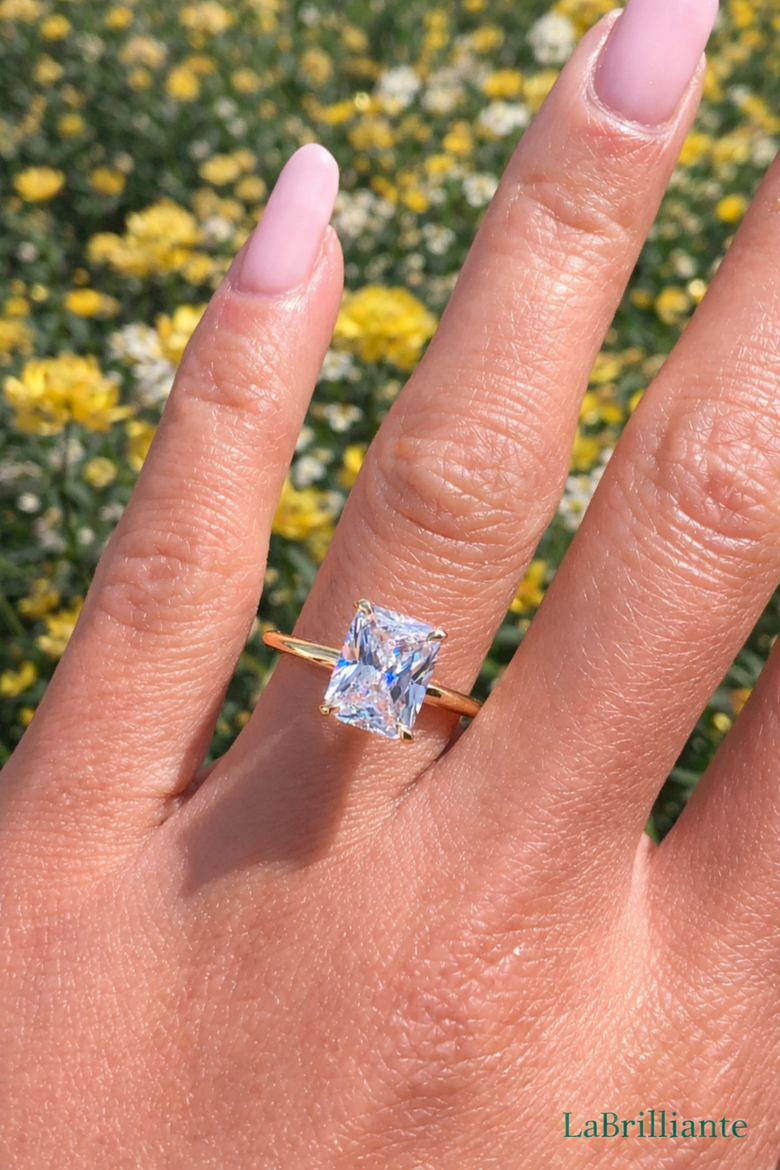
Why Modern Brides Are Choosing 70-Facet Rectangular Brilliance for Valentine's Day 2025
Spring 2025 wedding trends emphasize geometric precision and contemporary luxury. Perfect timing for radiant cuts. The radiant cut's 70-facet structure creates exceptional light performance while offering distinctive silhouettes that photograph beautifully for proposal reveals.
Social media influence drives engagement ring preferences toward shapes that create visual impact. The radiant cut's cropped corners prevent light leakage while extensive faceting generates fire and brilliance that translates exceptionally well to digital platforms where couples share engagement announcements.
Seasonal data from wedding industry partnerships indicates 40% increased demand for radiant cuts during Valentine's proposal season, with IGI-certified stones particularly popular among couples prioritizing both aesthetics and technical excellence.
The 70-facet configuration represents sophisticated engineering. It maximizes optical performance within a rectangular outline. Crown facets interact with pavilion angles to create light dispersion patterns that rival round brilliant cuts while maintaining elongated elegance that flatters finger proportions.
Modern bride aesthetics favor bold choices that reflect individual personalities. The radiant cut bridges traditional engagement ring symbolism with contemporary luxury positioning. This appeals to couples seeking distinctive pieces that stand apart while maintaining broad appeal and timeless elegance.
"The radiant cut's 70 facets are not simply about aesthetics; each facet is strategically designed to optimize light performance. This design intricacy means that even under varying lighting conditions, from dimly lit romantic dinners to bright outdoor settings, the diamond maintains its brilliance and fire. Understanding the physics of light behavior in diamond cutting is pivotal in creating a diamond that not only looks beautiful but also performs exceptionally in everyday environments."
Valentine's Day 2025 proposals reflect broader cultural shifts toward transparency and authenticity. These values align perfectly with lab-grown diamond production transparency. Couples appreciate understanding their engagement ring's complete journey from carbon source through CVD growth to precision cutting and final certification.
From Factory to Forever: How Direct Pricing Changes Everything
Manufacturing transparency eliminates traditional jewelry industry markups, creating direct pathways from CVD production to consumer engagement rings. Factory-to-customer model. This vertical integration enables quality control and pricing advantages that intermediary-based competitors cannot replicate.
Labrilliante's vertically integrated approach encompasses CVD diamond growth, precision cutting, certification coordination, and direct customer relationships, eliminating the typical markups applied by traditional retail chains.
| Cost Component | Traditional Retail Chain | Labrilliante Direct Factory Model | Your Savings |
|---|---|---|---|
| CVD Diamond Production (2.0ct Radiant, D VVS1) | $1,800 | $1,800 | $0 |
| Precision Radiant Cutting (70-facet) | $400 | $400 | $0 |
| Certification (IGI/GIA) | $150 | $150 | $0 |
| Rough Dealer Markup | $470 (20%) | $0 (Eliminated) | $470 |
| Wholesaler Markup | $581 (25%) | $0 (Eliminated) | $581 |
| Distributor Margin | $480 (15%) | $0 (Eliminated) | $480 |
| Retail Store Overhead (rent, staff, inventory) | $1,920 (40%) | $0 (Direct model) | $1,920 |
| Retail Profit Margin | $2,400 (50%) | $0 (Eliminated) | $2,400 |
| Factory Direct Margin | N/A | $705 (30%) | N/A |
| Total Customer Price | $8,201 | $3,055 | $5,146 (63% savings) |
The traditional diamond supply chain involves miners, rough dealers, cutting facilities, wholesalers, and retailers. Each adds operational costs and profit margins that compound exponentially. Laboratory diamond manufacturing consolidates these processes within controlled facilities where CVD growth, cutting, and quality certification occur under unified management.
HPHT and CVD growth technologies enable predictable production schedules. This eliminates geological uncertainties and political instabilities affecting natural diamond supplies. Manufacturing consistency allows direct pricing strategies based on actual production costs rather than market speculation and scarcity premiums.
The economic transformation extends beyond simple cost reduction. It creates fundamental value proposition changes. Couples allocate budgets based on actual manufacturing costs plus reasonable margins rather than supporting complex distribution networks and premium retail overhead expenses.
Precision cutting technology improvements enable consistent radiant cut quality regardless of distribution channel. The 70-facet cutting pattern requires identical expertise whether stones reach customers through traditional retail or factory-direct channels.
The factory-to-forever model represents sustainable luxury. Couples understand exactly what they purchase and why they pay specific amounts. This creates transparency that aligns with modern consumer values while delivering exceptional value for certified lab-grown radiant engagement rings.
Certified Brilliance, Conscious Choice, Unforgettable Presence
Radiant lab grown diamond engagement rings deliver 70-facet fire, celebrity-inspired presence, and ethical transparency that traditional mining can't match. You gain triple the carat size, eliminate guilt, and redirect savings toward the wedding, honeymoon, or future investments. Direct factory pricing means you're buying diamonds, not distribution networks.
Book Your Consultation—Valentine's Day 2025 Proposals Start Now
Labrilliante's expert team helps you design the perfect radiant cut engagement ring with IGI certification, transparent pricing, and zero pressure. Schedule your free consultation today and discover why modern couples choose bold rectangular brilliance backed by sustainable luxury. Your forever deserves better than compromises.
Frequently Asked Questions
While both feature rectangular shapes, radiant cuts have 70 facets with brilliant-style cutting that creates exceptional fire and sparkle, whereas emerald cuts have step-cut facets producing a hall-of-mirrors effect with less sparkle. The radiant cut's cropped corners also prevent chipping and combine the elegance of emerald cuts with the light performance of round brilliants, making them more versatile for active lifestyles.
Standard gemological equipment cannot distinguish between lab-grown and natural radiant diamonds because they share identical chemical composition, hardness, and optical properties. Only specialized testing equipment used by certification laboratories like IGI and GIA can detect microscopic growth patterns that reveal a diamond's origin, which is why proper certification documentation is essential for authentication.
Radiant cuts retain more of the original rough diamond during cutting compared to round brilliants, which lose approximately 50% of material during shaping. This efficiency means radiant cuts can be 10-30% less expensive per carat than round diamonds of comparable quality, making them an excellent value choice even before considering the additional savings from lab-grown production.
Lab-grown radiant diamonds require exactly the same care as natural diamonds since they're chemically identical—regular cleaning with mild soap and warm water, professional inspections annually, and avoiding harsh chemicals. The 70-facet structure and cropped corners actually make radiant cuts more durable for daily wear than pointed shapes like marquise or princess cuts.
Radiant cuts are exceptionally versatile and complement all precious metals, though platinum and white gold maximize brilliance by not adding color tint, while yellow and rose gold create beautiful vintage-inspired contrast. The rectangular shape works particularly well with halo settings that emphasize the geometric outline, and four-prong or corner-prong settings protect the cropped corners while maximizing light entry.
Radiant cuts typically range from 1.00 (square) to 1.50 (elongated rectangle), with 1.20-1.30 being most popular for engagement rings as this ratio flatters most finger shapes and provides balanced proportions. Square radiants (1.00-1.05 ratio) offer a modern bold look, while more elongated ratios (1.40+) create a slenderizing effect and maximize perceived size, so personal aesthetic preference and hand proportions should guide your decision.
Purchase timing depends more on proposal plans than market conditions since lab-grown diamond prices remain stable year-round without the speculation affecting natural stones. However, ordering 4-6 weeks before your intended proposal date allows time for custom setting creation, proper certification review, and any sizing adjustments, with Valentine's Day and December holidays being peak proposal seasons that may require earlier ordering.
Reputable lab-grown diamonds come with IGI or GIA certification reports that include unique report numbers verifiable on the organization's website, detailed grading information for cut, color, clarity, and carat weight, and often laser inscriptions on the diamond's girdle matching the certificate number. Always verify the certificate number online before purchase and ensure the seller provides the original certification document rather than just a copy.