


Lab-Grown Diamond Industry Shows Strong Momentum in December 2025
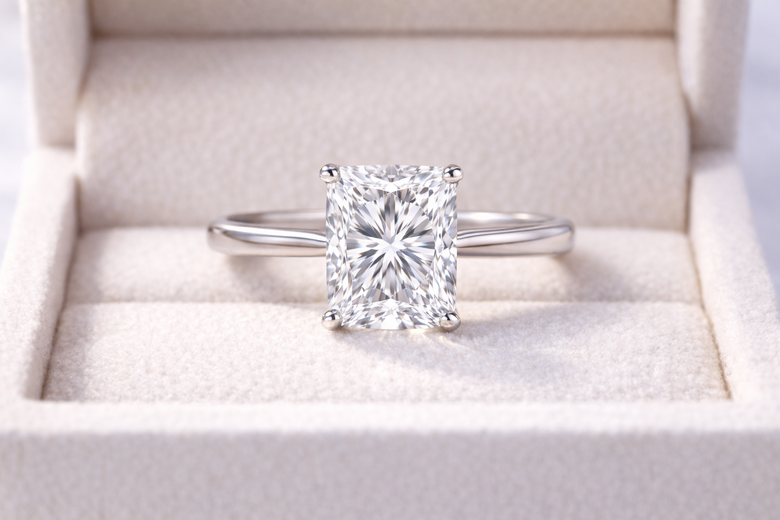
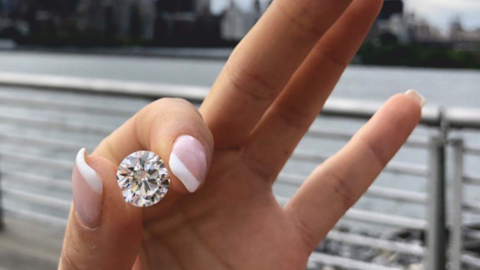
The lab-grown diamond sector continues to demonstrate robust growth as December 2025 unfolds, with multiple indicators pointing to sustained industry expansion and mainstream acceptance. Consumer adoption has reached a significant milestone, with over half of couples now selecting lab-grown stones for engagement rings—a dramatic increase from just 12% in 2019. This shift reflects growing confidence in the quality, authenticity, and ethical credentials of laboratory-created diamonds, particularly among millennial and Gen Z buyers who prioritize transparency and sustainability in their purchasing decisions.
Major developments in industry standards are reshaping market dynamics and consumer perception. The Gemological Institute of America's recent decision to simplify its grading approach for lab-grown diamonds—introducing "premium" and "standard" classifications rather than traditional 4Cs grading—marks a clear differentiation between natural and laboratory-created stones. This regulatory evolution provides greater clarity for retailers and consumers alike, reinforcing the distinct identity of lab-grown diamonds as a separate product category. Meanwhile, retail distribution continues to expand significantly, with major retailers reporting triple-digit year-over-year growth in lab-grown diamond sales and extending availability across all store locations.
Technological advancement remains a key driver of industry momentum. The CVD (Chemical Vapor Deposition) method has achieved new levels of quality and consistency, enabling producers to create stones with exceptional clarity and color grades. More than 80% of CVD-grown diamonds now undergo post-growth treatment to achieve colorless grades, demonstrating the sophisticated control manufacturers have over final product quality. Industry analysts project the global lab-grown diamond market will grow from approximately $30 billion in 2025 to nearly $100 billion by 2034, representing a compound annual growth rate exceeding 14%. Asia Pacific leads production capacity, with India and China driving manufacturing innovation and export volume growth that more than doubled in recent fiscal periods.
Consumer education and market positioning have evolved considerably, with two-thirds of Americans getting engaged now considering laboratory-created options. The average carat weight for lab-grown engagement rings has increased to 2.0 carats compared to 1.6 carats for natural stones, reflecting consumers' preference for larger stones within their budgets. Beyond jewelry applications, lab-grown diamonds are gaining traction in industrial sectors including electronics, semiconductors, and quantum computing, diversifying revenue streams and supporting long-term market stability. Industry gatherings and trade events increasingly showcase the versatility of laboratory-created diamonds across multiple high-performance applications.
Looking Ahead
The lab-grown diamond industry enters 2026 with strong fundamentals: widespread retail adoption, technological maturity, expanding applications, and sustained consumer demand. The sector has successfully transitioned from niche alternative to mainstream category, supported by improved manufacturing processes, clear regulatory frameworks, and growing acceptance across all demographic segments. For jewelry retailers and industry professionals, laboratory-created diamonds represent a compelling opportunity to serve evolving consumer preferences while maintaining healthy business margins.
Labrilliante is your trusted partner in the lab-grown diamond industry. We invite retailers and jewelry professionals to explore our premium selection of certified laboratory-created diamonds and discover how we can support your business growth in this dynamic market.