





South Africa's Rough Diamond Supply Is Shrinking
Author: Alex K., CMO at Labrilliante
Key takeaways:
Diamond World reported on September 2 that South Africa's junior and small-scale alluvial diamond mining sector has shrunk from roughly 2,000 companies to about 20 since 2004
That sector supplies a disproportionate share of gem-quality rough - the category cutting centers like Surat depend on most
Independent producer Lyndon de Meillon expects smaller natural stones to keep facing price pressure from lab-grown competition, even as larger and fancy-colored natural stones see gains
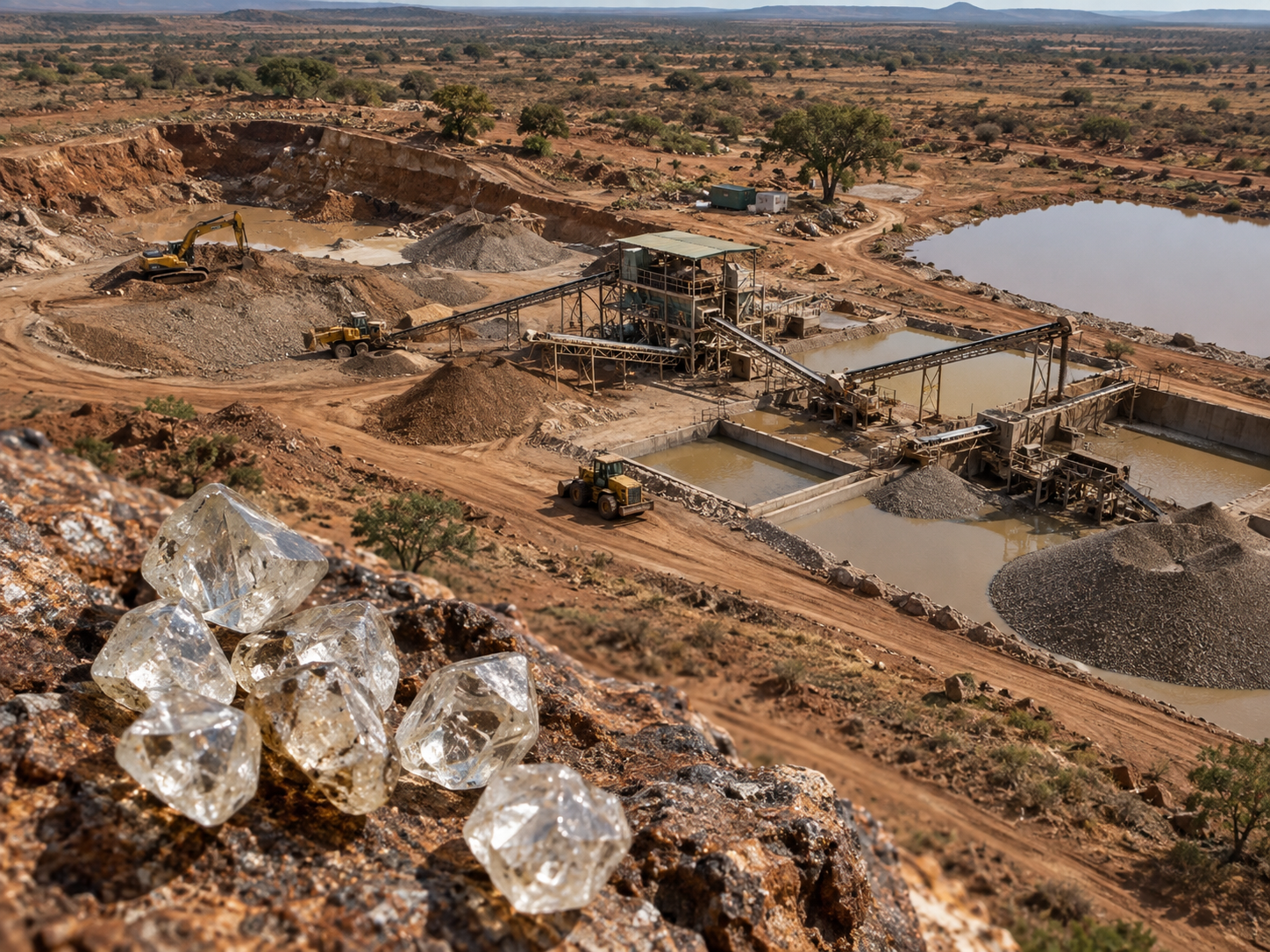
South Africa's small-scale and junior diamond miners have all but disappeared. Diamond World reported on September 2 that the sector has fallen from around 2,000 active companies in 2004 to roughly 20 today, according to independent producer Lyndon de Meillon of Paleostone Mining. That decline matters well beyond South Africa's borders - it directly touches the supply chain feeding India's cutting and polishing trade.
A Small Sector With an Outsized Role
De Meillon explained that South Africa's diamond industry splits into two very different worlds: large-scale kimberlite mining run by listed players like De Beers and Petra Diamonds, and junior alluvial mining, concentrated along the West Coast and in the North West, Northern Cape, and Limpopo provinces. The alluvial segment accounts for only 4% to 5% of the country's output by carat weight - but roughly 25% of the industry's annual value, because it tends to produce larger stones and a higher share of gem-quality rough, exactly the category cutting centers like Surat and Mumbai compete hardest for.
While the causes go back two decades - 2004 mining legislation, empowerment equity rules introduced without financing support, the 2007–08 financial crisis, and rising electricity, water, fuel, and labor costs - the effect is showing up now: a shrinking pool of independent producers, and a growing concentration of rough-diamond stock in the hands of a few well-capitalized buyers acquiring rights and stock from distressed producers.
What This Means for Pricing
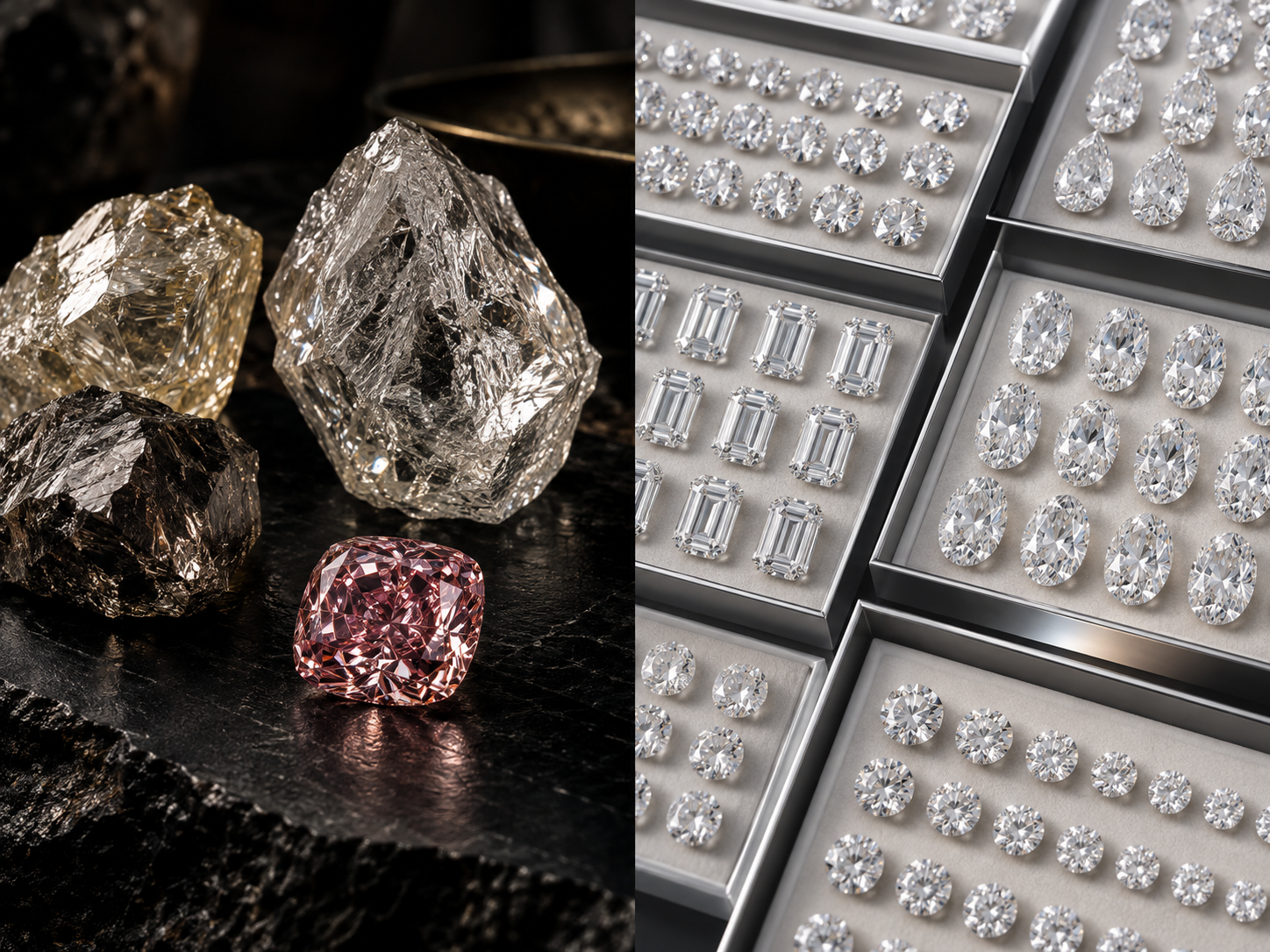
De Meillon said the outlook for the diamond industry remains highly uncertain, and offered a specific read on where prices are headed: larger and fancy-colored natural stones are likely to see gains as supply tightens, while smaller natural stones continue to face pressure from lab-grown competition.
That's worth sitting with. As the pool of independent alluvial producers shrinks and gem-quality rough concentrates in fewer hands, the natural-stone supply chain gets less predictable and, in places, more expensive - right as lab-grown continues to offer retailers consistent supply and stable, transparent pricing for exactly the smaller stone categories under the most pressure.
What Retailers Should Take From This
This isn't a reason to abandon natural stones - larger and fancy-colored natural diamonds may well become a stronger story of their own as supply tightens. But for the everyday, smaller-carat stones that make up the bulk of bridal and fashion sales, a shrinking, consolidating natural rough supply is one more argument for building out a dependable lab-grown assortment now, rather than reacting once natural sourcing gets harder to plan around.