





A Diamond Just Went to Space
Author: Alex K., CMO at Labrilliante
What happened:
Hindustan Times reported on August 26 that Bengaluru-based dealers sent a lab-grown diamond jewel into orbit aboard India's first private orbital rocket, Vikram 1
The piece - a lotus-shaped jewel set with 32 pear-cut lab-grown diamonds - survived launch vibration, vacuum, and extreme temperature swings at 453 km above Earth with not a single stone loosened
Founder says the mission did more to prove lab-grown diamond durability than years of explaining it ever could
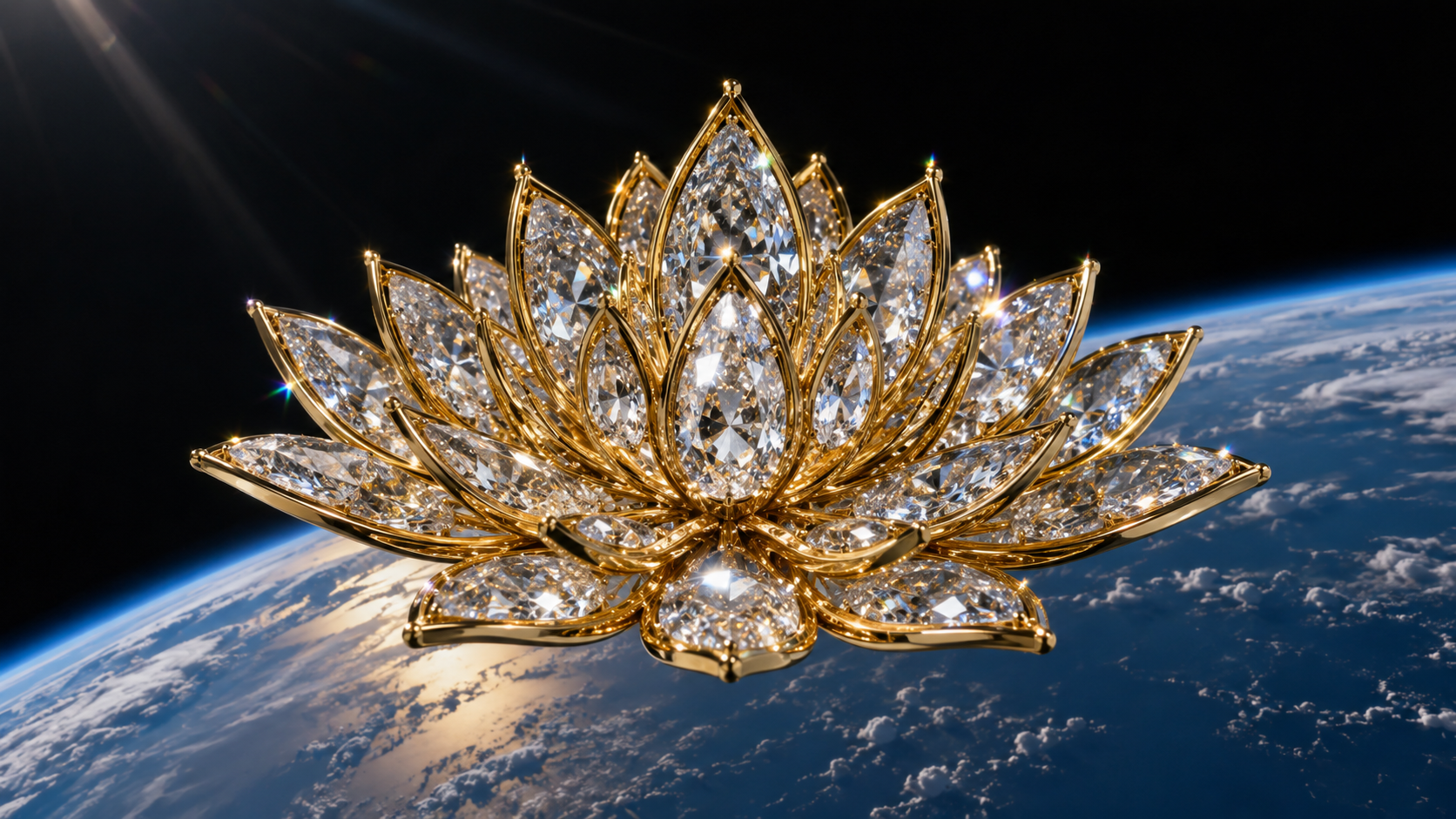
On July 18, Skyroot Aerospace's Vikram 1 - described by Hindustan Times as India's first private orbital rocket - reached low Earth orbit in 16 minutes. Tucked inside alongside the satellite payloads was something that had never flown before: "Cosmic Bloom," a lotus-shaped jewel set with 32 pear-cut lab-grown diamonds in 14k yellow gold, from Bengaluru-based jewelry brand.
It's now, as Hindustan Times reported, the first piece of fine lab-grown diamond jewelry to travel to space and survive.
Not a Publicity Stunt — an Engineering Problem
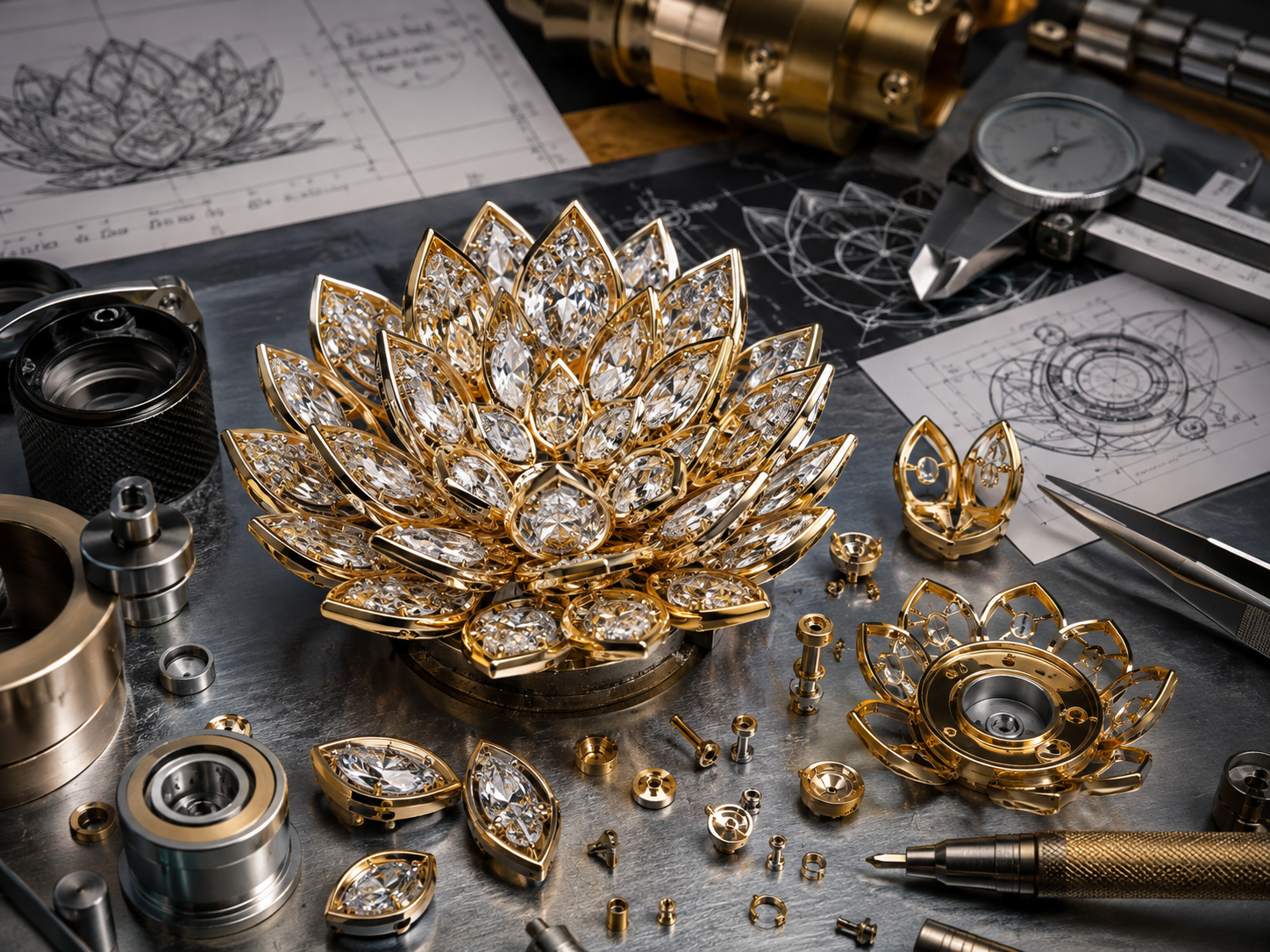
Space doesn't forgive ornamental thinking. To clear India's national space authority, the jewel had to be engineered like a satellite component: gold screws built to function as aerospace fasteners, custom-painted aluminum that could survive orbit, a lotus geometry - 32 individually set petals that had to move as one - refined across more than 100 sketches and 11 production iterations. Founder told HT Lifestyle it wasn't a symbolic gesture it was a genuine engineering challenge, worked through side by side with Skyroot's team.
The payoff arrived unscripted. When the first sunlight hit the piece in orbit, cameras caught light refracting through all 32 diamonds - footage nobody had planned or briefed. Skyroot's CEO reportedly called it some of the best footage ever captured from a space mission.
The Durability Question, Answered Without Words
Lab-grown diamonds have spent years fighting the perception that they're somehow less real, less hard, less permanent than mined stones. Tripuramallu has argued that case with words for years. This time, the diamonds argued it themselves: vacuum, launch-force vibration, and extreme temperature swings, and not one stone shifted in its setting. The action spoke louder than any explanation we could have given.
That's not a small thing for a retailer to be able to point to. "It survived space" is a durability claim that needs zero technical footnotes to land with a customer standing at the counter.
Purity, Reframed
Tripuramallu also made a point that's easy to skip past: lab-grown diamonds, grown in controlled conditions, tend to have fewer natural impurities than mined stones, which almost always carry trace inclusions from their formation underground. The industry has spent so much time insisting lab-grown diamonds are "the same" as mined ones that it's rarely made the case that, on pure clarity grounds, they're often the stronger stone.
That's a different sales conversation than "just as good for less." It's "measurably cleaner, and priced accordingly."
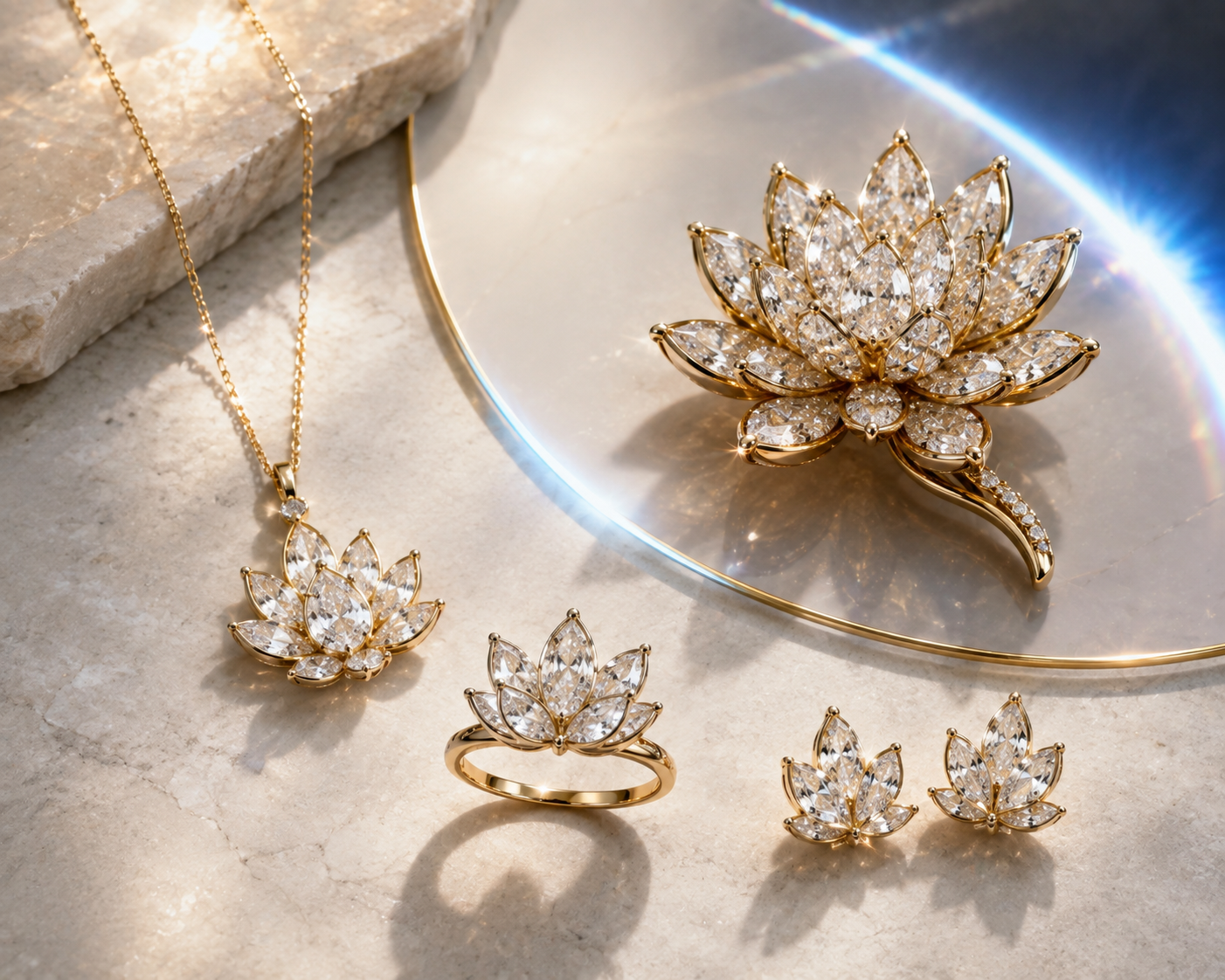
Why This Resonates With a Younger BuyerTripuramallu, who founded Cosmos Diamonds in 2020, described a market that's shifted underneath her. Where early conversations required convincing skeptical buyers, she says Gen Z customers now arrive with no resistance to lab-grown at all - comfortable with the technology, motivated by sustainability, and unattached to the idea that a diamond has to come from the ground to mean something. | What This Means for Your FloorA space mission isn't a marketing tool most retailers can replicate, but the underlying story is one every jeweler selling lab-grown can borrow: these are diamonds that hold up under real scrutiny, not just marketing claims. Cosmos has already turned the mission into a wearable collection inspired by the orbital lotus - proof that even a stunt this ambitious can come back down to earth as sellable jewelry. LaBrilliante is watching stories like this closely, because they change what the counter conversation sounds like - not "is it real," but "look what it can survive." |