




The Lab-Grown Diamond Market Is Headed Toward $92 Billion
Author: Alex K., CMO at Labrilliante
Key takeaways:
Fortune Business Insights values the global lab-grown diamond market at $29.46 billion in 2025, projecting growth to $91.85 billion by 2034 - a 13.42% CAGR
Stones up to 2 carats already hold 70% of the market and are growing fastest, at 14.08% annually - exactly the size range most bridal and fashion jewelry is built on
Knot Worldwide data cited in the report shows U.S. couples choosing lab-grown engagement rings jumped to 61% in 2025, up from 52% in 2024
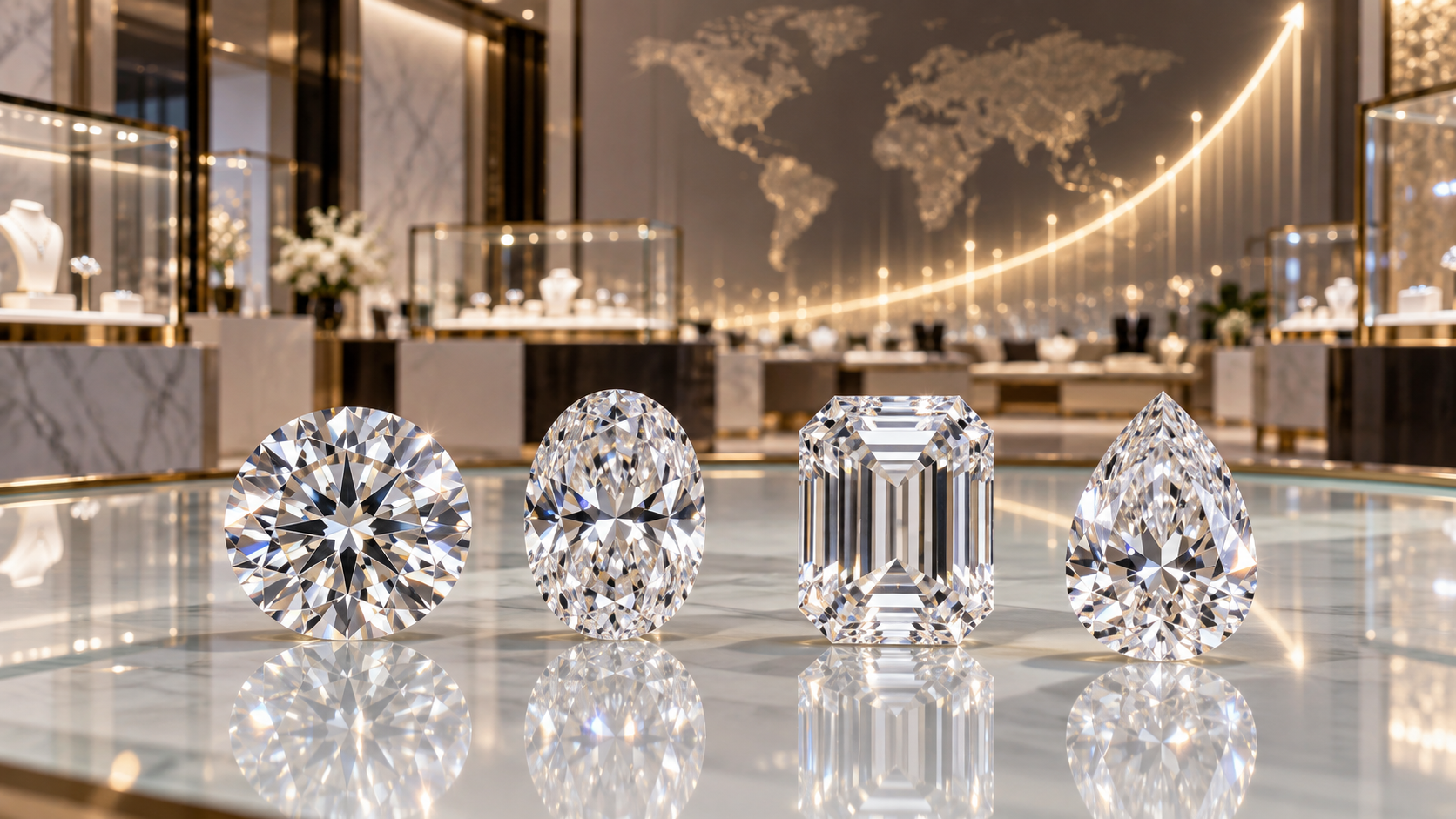
Fortune Business Insights put a number on where this industry is headed: from $29.46 billion in 2025 to a projected $91.85 billion by 2034, a compound annual growth rate of 13.42%. That's not a market finding its footing - it's one that's already found it and is accelerating.
Where the Growth Actually Lives
The report breaks the market down by size, and the picture is useful for anyone stocking a bridal or fashion case. Stones up to 2 carats already account for 70.07% of the market, and that segment is projected to grow fastest of all - 14.08% annually through 2034 - because it's the size range that's both affordable to buy and easiest for jewelers to sell and produce at volume. The 2-to-4-carat segment follows as the second-fastest grower.
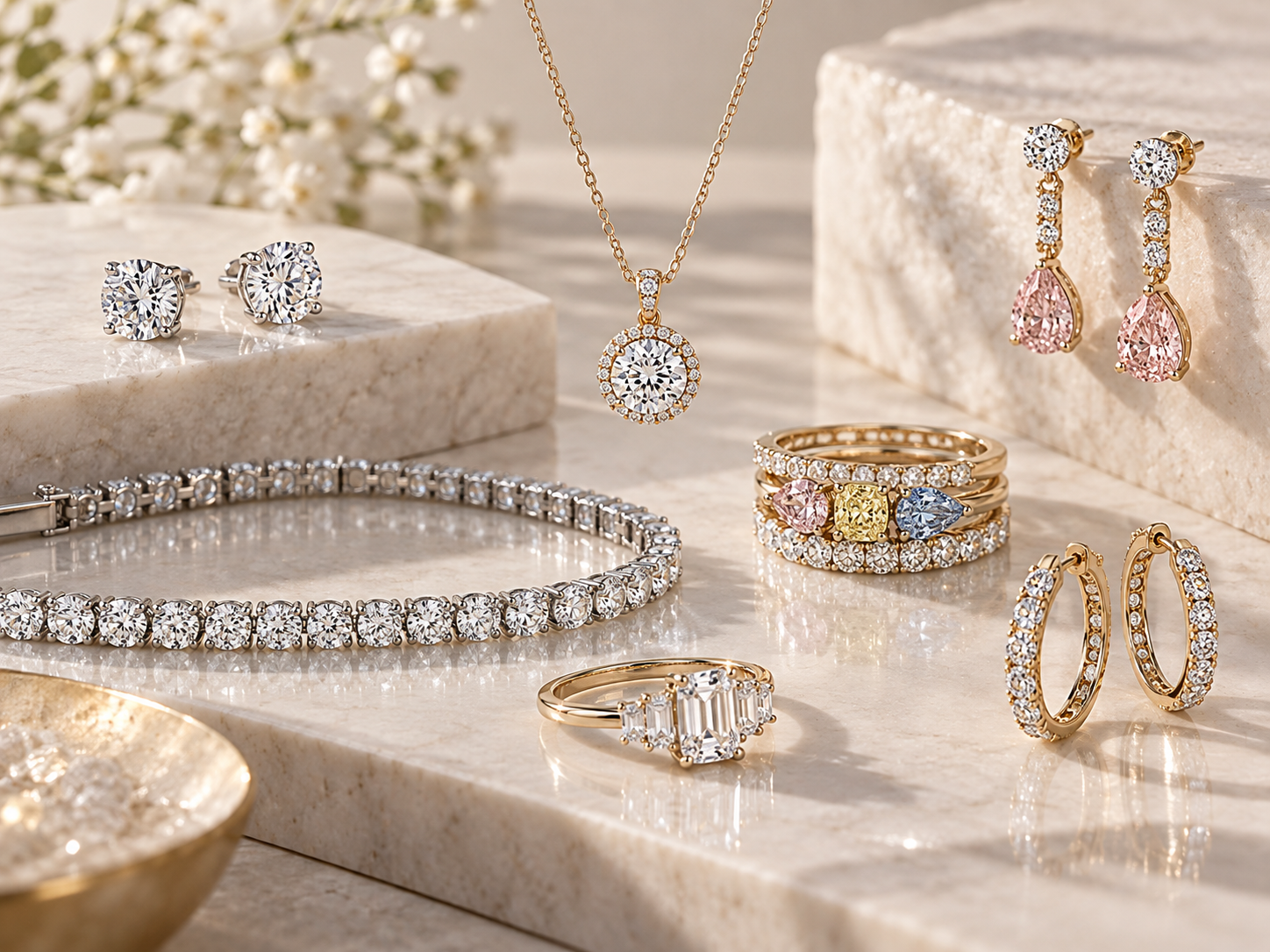
Fashion is outpacing industrial use for the first time in this breakdown, projected to grow at 14.35% annually as more retailers move lab-grown beyond the engagement ring and into everyday jewelry. Colorless stones still dominate for premium and bridal pieces, but colored lab-grown diamonds are close behind, growing at nearly 13% a year.
Bridal Isn't Slowing Down
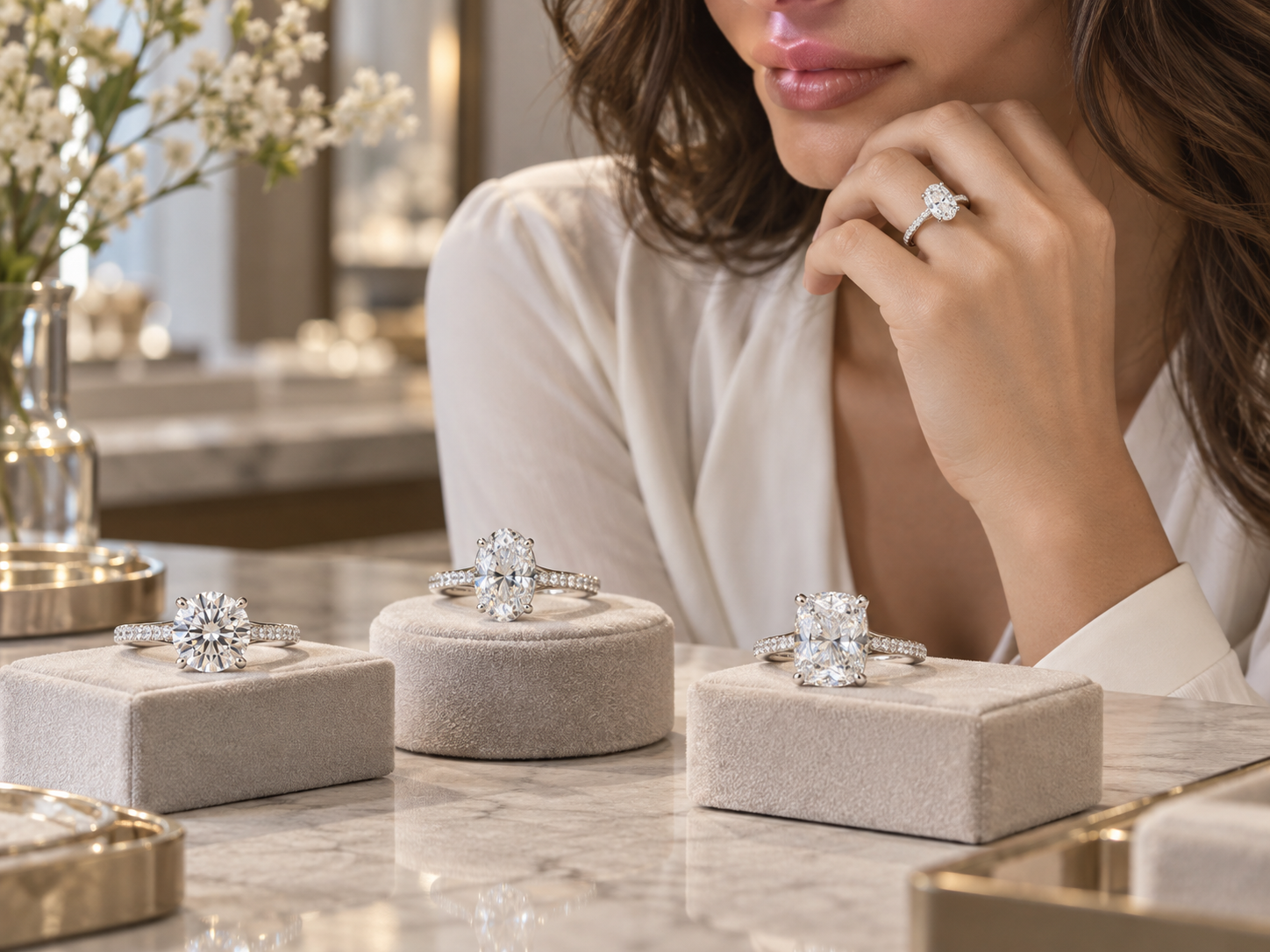
The report cites Knot Worldwide data showing the share of U.S. couples choosing lab-grown engagement rings rose to 61% in 2025, up from 52% the year before. That's a nine-point jump in a single year - and it tracks with what major retailers are already doing. Pandora, Kay Jewelers, and Blue Nile are all expanding their lab-grown offerings in response to that demand, according to the report.
The Gap Retailers Still Need to Close
| For all this growth, the report flags a real headwind: limited consumer knowledge. A meaningful share of buyers remain uncertain whether lab-grown diamonds match mined stones in durability and premium appeal, and many are unclear on resale value, clarity grading, and color consistency. That uncertainty isn't a demand problem it's an information gap, and it's squarely a retailer's job to close it with clear product information and confident, well-informed staff at the counter. | The brands moving fastest aren't just stocking lab-grown diamonds - they're investing in trust. Pandora recently announced plans to add carbon footprint information to its products. Titan Company launched a dedicated lab-grown brand, BeYon, with stores opening across India. Kendra Scott built out a full lab-grown collection spanning $500 to $2,950, giving customers a clear range to shop within rather than a single price point to question. |
What This Means for Your Floor
The growth curve here isn't speculative - it's already showing up in how couples are buying and how major retailers are responding. The segment worth paying closest attention to is the one already carrying 70% of the market: accessible, sub-2-carat stones that move fast and sell easily, in both colorless and colored options. Retailers who pair that assortment with clear, confident education at the counter are positioned to capture outsized share of a market that's still only a third of the way to where it's projected to land by 2034.
LaBrilliante is built to help you stock exactly that assortment - and have that conversation with confidence.