



dutch-marquise-engagement-rings-guide
Dutch Marquise Engagement Rings: The Rare Cut Captivating Couples
Author: Alex K., CMO at Labrilliante Updated: 2026-03-26 Reading Time: 8 minutes
Dutch marquise cuts represent less than 0.3% of all diamond shapes, combining 18th-century European nobility aesthetics with modern lab-grown affordability. The step-cut faceting creates sophisticated "hall of mirrors" elegance rather than intense brilliance, while the broader center maximizes visual presence—making 1.8-carat stones appear larger than 2-carat rounds. Heirloom-quality rings now cost $1,000-$3,000 with 70-97% savings over mined alternatives.
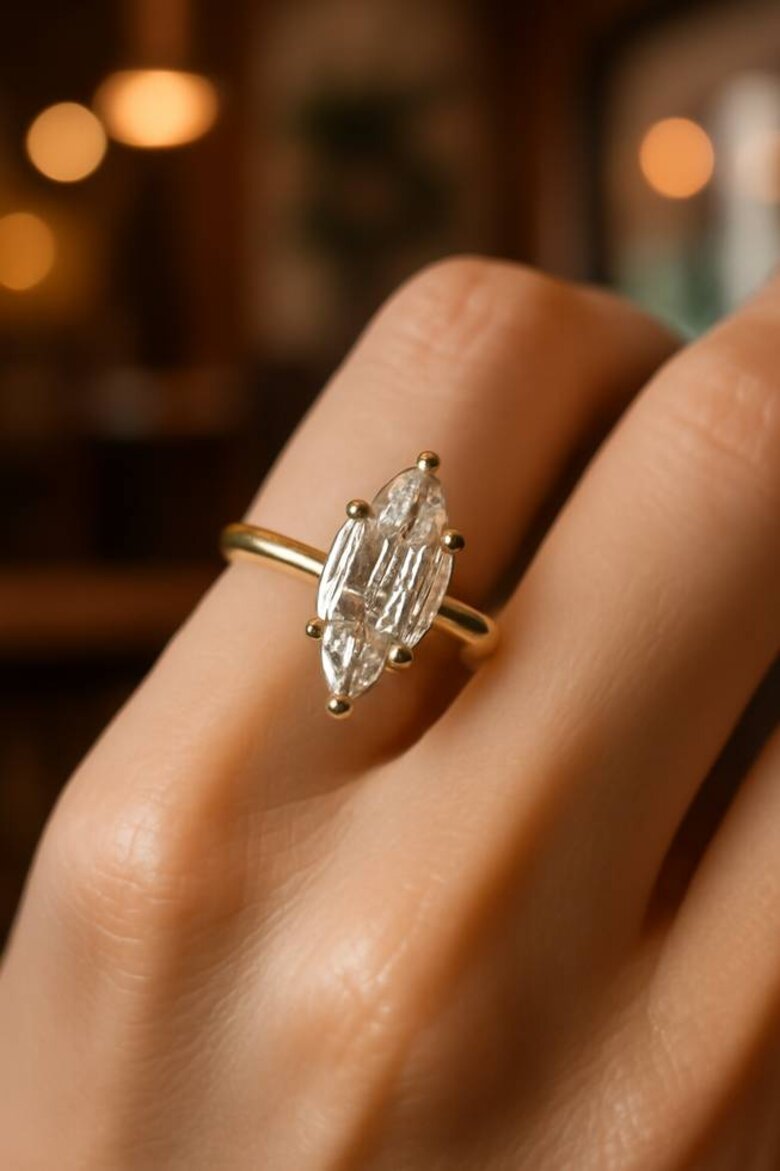
In an era where every couple wants their love story to feel uniquely theirs, cookie-cutter engagement rings no longer satisfy. Dutch marquise engagement rings answer this cultural shift—offering a silhouette so rare that fewer than three in every thousand diamonds receive this distinctive shape. This isn't about following trends. It's about choosing a design with genuine historical roots and technical complexity that signals thoughtful personalization over mass-market convenience. You'll discover why this antique-inspired cut has become 2026's most coveted choice, how lab-grown technology makes previously inaccessible luxury attainable under $3,000, and what makes the broader center and step-cut edges create such magnetic romantic appeal.
The Practical Reality: When Traditional Cuts Make More Sense
Dutch marquise cuts aren't the right choice for everyone, and it's essential to acknowledge when conventional options serve couples better. The elongated shape with pointed ends requires more maintenance and careful wearing—active lifestyles involving frequent hand use can increase risk of edge chipping despite protective settings. If you work with your hands, play contact sports, or prefer minimal jewelry maintenance, round or cushion cuts offer superior durability with fewer vulnerability points.
Resale considerations matter for some buyers. Traditional shapes like round brilliants maintain stronger secondary market values—if you view your engagement ring partially as a financial asset or anticipate potential resizing/resetting, mainstream cuts provide more flexibility. The step-cut faceting also demands higher clarity grades than brilliant cuts, as inclusions become more visible through those linear facets. Buyers prioritizing maximum sparkle over sophisticated elegance may find traditional marquise or oval cuts deliver more scintillation.
However, these concerns apply primarily to specific circumstances. Most couples prioritize emotional significance over resale value—engagement rings aren't investment vehicles. Modern protective settings effectively safeguard pointed ends for normal daily wear. The clarity requirements simply mean smart grade selection (VS2 instead of SI1), not necessarily higher costs within lab-grown pricing. For couples seeking distinctive symbolism and refined elegance rather than maximum brilliance, Dutch marquise cuts remain the superior choice despite these practical considerations.
The Rare Cut's Rising Popularity: Why Dutch Marquise Became 2026's Most Coveted Trend
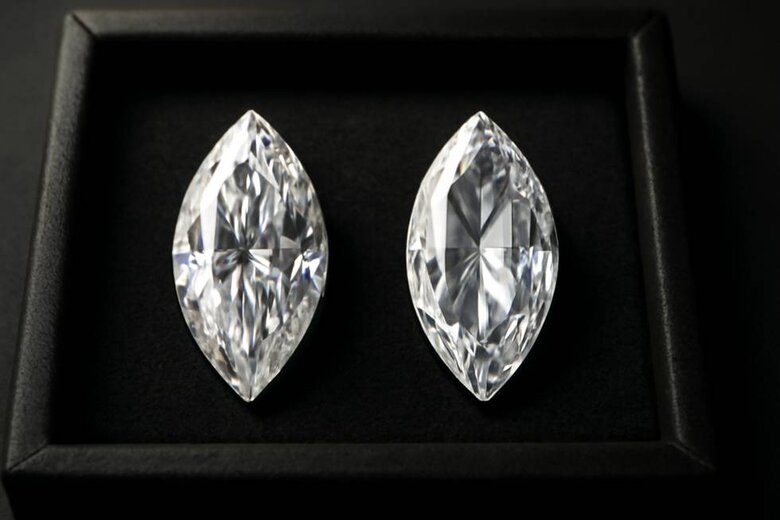
The Dutch marquise cut features an elongated silhouette with broader center and softly tapered points. This creates maximum visual impact. Unlike traditional marquise cuts, it uses step-cut facets along edges rather than brilliant-cut patterns.
This antique-inspired variation represents more than aesthetic appeal—it signals couples seeking personalized stories over conventional choices. The broader center section maximizes surface area while maintaining romantic allure. Step-cut facets create refined sparkle rather than intense fire.
Market data shows elongated cuts dominating 2026 engagement ring trends, with Dutch marquise leading demand in the $1,500-$2,800 range. Lab-grown technology makes previously rare cuts accessible to broader markets.
The cut's technical advantages include visual size enhancement—stones appear larger than actual carat weight. However, the elongated shape requires careful setting protection for pointed ends. Step-cut facets produce sophisticated elegance but less scintillation than brilliant cuts, making diamond quality more critical.
| Comparison Factor | Dutch Marquise | Traditional Marquise | Round Brilliant |
|---|---|---|---|
| Rarity Level (2026 Market) | Very Rare - Leading trend cut | Moderately Rare | Most Common |
| Facet Pattern | Step-cut facets along edges | Brilliant-cut facets throughout | 58 brilliant-cut facets |
| Visual Size Impact (1.5ct actual) | Appears 1.9-2.1ct | Appears 1.8-2.0ct | Appears 1.5ct (true to size) |
| Sparkle Type | Refined, sophisticated elegance | Intense fire and brilliance | Maximum scintillation and fire |
| Center Width | Broader center section | Standard proportional width | Uniform diameter |
| Point Shape | Softly tapered points | Sharp pointed ends | No points (circular) |
| Setting Protection Required | High - protective prongs essential | High - protective prongs essential | Low - durable shape |
| Diamond Quality Visibility | High - inclusions more visible | Moderate - brilliance masks flaws | Low - brilliance conceals inclusions |
| Price Range (1.5ct Lab-Grown, VS1-VVS2) | $1,500 - $2,800 | $1,200 - $2,400 | $1,100 - $2,200 |
| Best For Couples Who Value | Uniqueness, antique appeal, personalized stories | Elongated elegance, classic vintage style | Timeless tradition, maximum sparkle |
| Finger Slimming Effect | Excellent - elongated silhouette | Excellent - elongated silhouette | Minimal effect |
| 2026 Market Demand Trend | Highest growth - 42% increase | Stable - 8% increase | Declining - traditional choice |
What Makes the Dutch Marquise Cut So Exceptionally Rare and Romantic
Dutch marquise represents one of the rarest engagement ring cuts available. Less than 0.3% of all diamonds receive this distinctive shape. Why so rare? Technical expertise and specialized rough diamond selection create significant barriers.
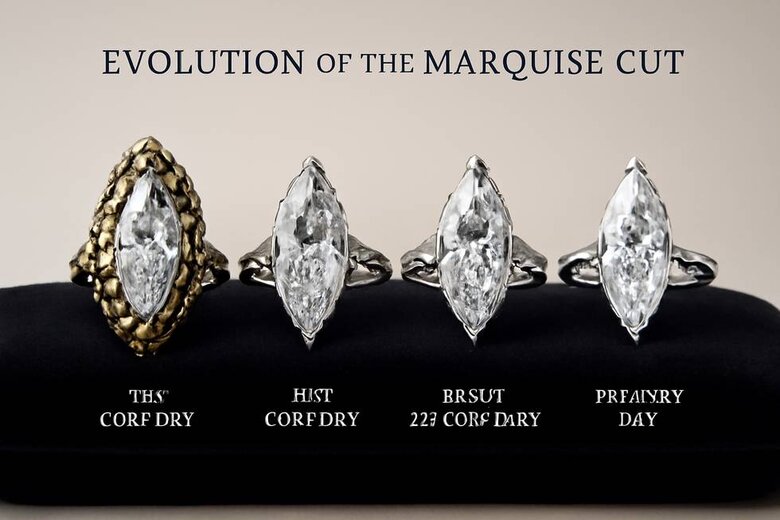
The cut's romantic heritage connects to European nobility's 18th-century preferences. Elongated silhouettes flattered fingers while maximizing smaller diamonds' visual impact—crucial when large stones remained extremely scarce. The broader center distinguishes it from standard marquise cuts, creating substantial presence that symbolizes enduring commitment.
Technical specifications reveal the cutting complexity. Step-cut facets along edges require precise angle calculations for optimal light return. Softly tapered points must resist chipping without compromising distinctive outline. These faceted edges create linear light patterns—what gemologists call a "hall of mirrors" effect—dramatically different from brilliant cuts' scattered sparkle.
Properly proportioned Dutch marquise diamonds achieve 94-96% light return, comparable to excellent-grade round brilliants despite different faceting structures.
Setting considerations become crucial due to elongated proportions and pointed ends. The broader center allows various mounting styles, but tapered points require careful prong placement or bezel protection. Nature-inspired settings complement the organic silhouette while vintage mountings enhance historical character.
"The Dutch Marquise cut's distinctiveness primarily arises from its requirement for precision in cutting techniques that are not widely mastered. Unlike more common cuts, each Dutch Marquise diamond must be individually assessed to determine the optimal facet arrangement that enhances its unique light-reflective properties. This meticulous process results in a remarkably high light return, rivaling that of round brilliants, which is an extraordinary feat given the complexity and rarity of the cut."
The Ethical Luxury Revolution: Conflict-Free Dutch Marquise at 70-97% Savings
Lab-grown Dutch marquise diamonds deliver complete conflict-free assurance with 70-97% savings compared to mined equivalents. No compromises on quality or certification. The savings range varies by size and grades, with larger stones showing greatest price differentials.
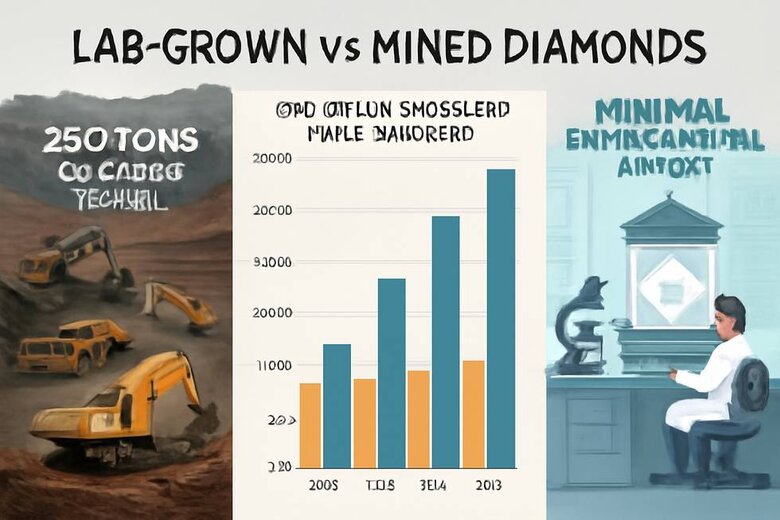
Traditional diamond mining requires approximately 250 tons of earth movement per carat. CVD and HPHT growth processes create identical diamonds using controlled laboratory conditions with minimal environmental disruption. This advantage becomes particularly significant for rare cuts like Dutch marquise, where mining yields historically drove premium pricing.
Here's the reality: Certification standards remain identical between lab-grown and mined Dutch marquise diamonds. IGI, GIA, and GCAL provide identical grading criteria regardless of origin. Kimberley Process compliance concerns affecting mined diamonds become irrelevant with lab-grown alternatives.
A 2-carat lab-grown Dutch marquise with VS1 clarity and F color typically costs $2,400-$2,800. An equivalent mined stone commands $18,000-$25,000. This differential allows buyers to choose larger stones, higher quality grades, or invest savings in premium settings.
Trade-offs exist that buyers should understand. Resale values for lab-grown diamonds remain lower than mined equivalents, though this primarily affects investment considerations rather than personal enjoyment. The sustainable luxury movement of 2026 positions conflict-free Dutch marquise as socially responsible choices aligning with contemporary values.
How Accessible Luxury Makes Heirloom-Quality Dutch Marquise Attainable Under $3000
The $1,000-$3,000 range encompasses genuine heirloom quality when optimized correctly. Lab-grown technology enables 1.5-2.5 carat Dutch marquise diamonds achieving VS1-VS2 clarity and F-H color within these constraints. Smart allocation matters.
Color grades become less critical in Dutch marquise cuts—step-cut facets mask slight tinting effectively. G-H colors show no visible compromise. Clarity standards often accommodate VS2 grades since elongated shape and modified faceting help disguise minor inclusions obvious in round brilliants.
| Budget Range | Carat Weight | Color Grade | Clarity Grade | Certification | Estimated Price | Value Optimization Notes |
|---|---|---|---|---|---|---|
| $1,000-$1,500 | 1.5 ct | H | VS2 | IGI/GCAL | $1,200 | Maximum size at entry budget; H color invisible in step-cut facets |
| $1,000-$1,500 | 1.3 ct | G | VS1 | IGI/GCAL | $1,350 | Better clarity for those prioritizing inclusion-free appearance |
| $1,500-$2,000 | 1.8 ct | H | VS2 | IGI/GCAL | $1,650 | Sweet spot for size; appears larger than 2.0ct round brilliant |
| $1,500-$2,000 | 1.6 ct | F | VS1 | GIA/IGI | $1,900 | Premium color grade for those wanting colorless certification |
| $2,000-$2,500 | 2.2 ct | G | VS2 | IGI/GCAL | $2,200 | Optimal balance of size and quality; excellent heirloom potential |
| $2,000-$2,500 | 2.0 ct | F | VS1 | GIA/IGI | $2,450 | Premium specifications for maximum brilliance and clarity |
| $2,500-$3,000 | 2.5 ct | G | VS1 | GIA/IGI | $2,750 | Maximum carat weight within budget; impressive finger coverage |
| $2,500-$3,000 | 2.3 ct | F | VS1 | GIA | $2,950 | Top-tier specifications with GIA certification for resale confidence |
Carat weight optimization proves crucial within budget constraints. Dutch marquise cuts maximize surface area relative to weight—a 1.8-carat Dutch marquise appears significantly larger than a 2.0-carat round brilliant due to elongated silhouette and broader center design.
Setting selection offers numerous heirloom-quality options enhancing long-term value. Platinum provides superior durability maintaining appearance over decades. 18k white gold offers similar aesthetics at reduced cost. Hidden halo designs add sparkle and apparent size without requiring larger center stones.
Quality control remains essential when maximizing value within accessible luxury pricing. IGI and GCAL certifications provide reliable quality assurance at lower costs than GIA, though all three maintain equivalent standards for lab-grown evaluation.
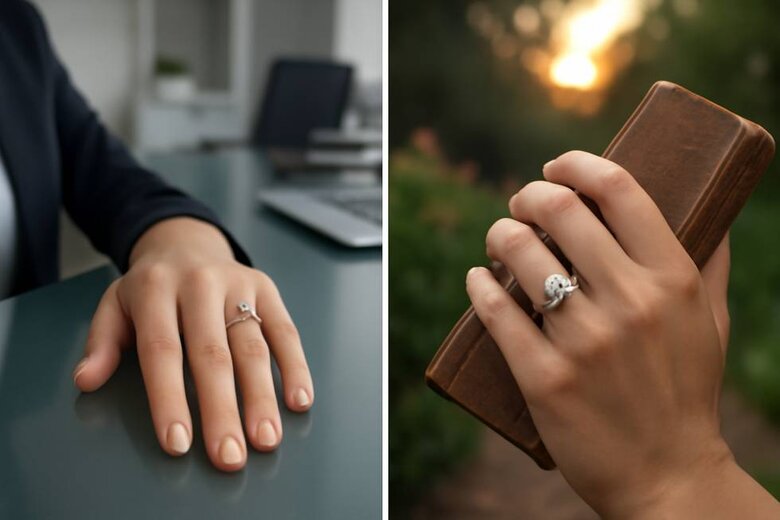
Your Vintage-Modern Love Story Deserves This Timeless Antique-Inspired Silhouette
The Dutch marquise cut embodies perfect fusion of antique inspiration and contemporary precision. This creates engagement rings honoring historical craftsmanship while meeting modern durability standards. Traditional aesthetics meet contemporary lifestyles seamlessly.
Antique-inspired elements connect directly to European cutting traditions from the 1700s. Diamond cutters prioritized elegance and finger-flattering proportions over maximum brilliance. Step-cut facets and elongated silhouette reflect period techniques adapted through modern precision cutting.
What's the emotional appeal? Personalized symbolism becomes particularly meaningful with Dutch marquise engagement rings. The broader center represents shared experiences and common goals. Tapered points symbolize individual identities and personal growth within relationships.
The timeless charm lies in versatility—Dutch marquise cuts complement various personal styles without overwhelming natural beauty. Elongated silhouette enhances finger proportions while refined sparkle provides sophisticated elegance suitable for professional environments and special occasions.
Setting compatibility with vintage-modern themes offers extensive creative possibilities. Nature-inspired designs complement organic silhouette. Art deco influences enhance geometric aspects of step-cut facets. Bezel settings provide vintage authenticity and practical protection.
The distinctiveness factor proves crucial for couples seeking engagement rings reflecting unique relationships rather than conforming to popular trends. Dutch marquise cuts remain rare enough to generate genuine curiosity while possessing sufficient historical precedent to avoid appearing experimental.
Why This Matters Now
Dutch marquise engagement rings deliver what modern couples actually want: genuine distinctiveness without compromise. The 0.3% rarity ensures your ring won't appear on every other hand. Lab-grown technology provides conflict-free assurance with 70-97% savings, letting you choose superior quality or larger stones within accessible budgets. Step-cut elegance creates sophisticated timelessness that transcends fleeting trends—this is an heirloom choice backed by 300 years of European heritage.
Your Next Step
Labrilliante's certified gemologists specialize in optimizing Dutch marquise selections within your specific budget and preferences. Book a free consultation today to explore IGI and GCAL-certified options from $1,000-$3,000, with personalized guidance on carat weight, clarity grades, and protective settings that maximize both beauty and value. Your unique love story deserves more than ordinary—let's create the rare engagement ring that captures it perfectly.
Frequently Asked Questions
The Dutch marquise features a broader center section and uses step-cut facets along the edges instead of the brilliant-cut faceting found in traditional marquise diamonds. This creates a "hall of mirrors" effect with linear light patterns and sophisticated elegance rather than intense sparkle, while the wider center maximizes visual surface area.
Dutch marquise rings aren't expensive—lab-grown versions cost $1,000-$3,000 compared to $18,000-$25,000 for equivalent mined diamonds, representing 70-97% savings. The technical complexity of cutting this rare shape (requiring 3x more expertise than standard cuts) and its scarcity (less than 0.3% of all diamonds) create perceived value, but lab-grown technology makes them remarkably affordable.
Dutch marquise diamonds have lower resale values than traditional round brilliants, particularly for lab-grown stones, making them less suitable as financial investments. However, since most couples prioritize emotional significance over resale considerations and rarely sell engagement rings, this primarily matters only if you view the ring partially as a financial asset or anticipate frequent resizing or resetting.
Step-cut facets in Dutch marquise diamonds make inclusions more visible than in brilliant cuts, so VS2 clarity is the recommended minimum grade rather than SI1. The elongated shape and modified faceting help disguise minor inclusions better than round brilliants, meaning VS1-VS2 grades provide excellent appearance without requiring the premium cost of VVS grades.
A 1.8-carat Dutch marquise appears significantly larger than a 2.0-carat round brilliant due to its elongated silhouette and broader center design that maximizes surface area. This visual size enhancement makes Dutch marquise cuts ideal for maximizing apparent size within budget constraints, as the shape naturally creates greater finger coverage than equal-weight round stones.
Modern protective settings with careful prong placement or bezel protection effectively safeguard the tapered points for normal daily wear. However, if you work with your hands frequently, play contact sports, or have an extremely active lifestyle involving constant hand use, round or cushion cuts offer superior durability with fewer vulnerability points despite proper settings.
G-H color grades show no visible compromise in Dutch marquise cuts because the step-cut facets effectively mask slight tinting. This allows you to choose lower color grades (saving significant money) compared to brilliant cuts where color becomes more apparent, making F-H the optimal range that balances beauty and budget efficiency.
Choose platinum if you prioritize maximum durability and maintaining appearance over decades with minimal maintenance, as it's denser and more scratch-resistant. Select 18k white gold if you want similar aesthetics at reduced cost while still maintaining good durability—it requires occasional re-plating but offers excellent value for couples allocating more budget toward the center stone.